Gap shows Target apparel teams why value alone is not enough
Old Navy’s spring miss showed how quickly a value-fashion business cracks when product, price and signage stop lining up. Target apparel teams should watch for assortment gaps, slower conversion and early markdowns.
Old Navy’s weak spring was not a consumer collapse. It was a merchandising warning shot. Gap Inc. said the brand’s underperformance came from an assortment miss in women’s dresses and other seasonal categories, with swim shorts also soft, even as active, denim and kids held up. Richard Dickson’s message was blunt: the problem was internal, not a change in shopper demand.
That distinction matters for Target’s apparel and merchandising teams because value only works when the offer is instantly legible on the floor. If the dress wall misses on trend, if seasonal basics look late, or if price points do not line up with the fashion story, guests notice in conversion before the P&L does. Dickson said the company moved quickly to sharper price points and stronger customer messaging, and improvement started in mid-May. That is the kind of reset Target teams should read as an operational checklist, not a slogan.

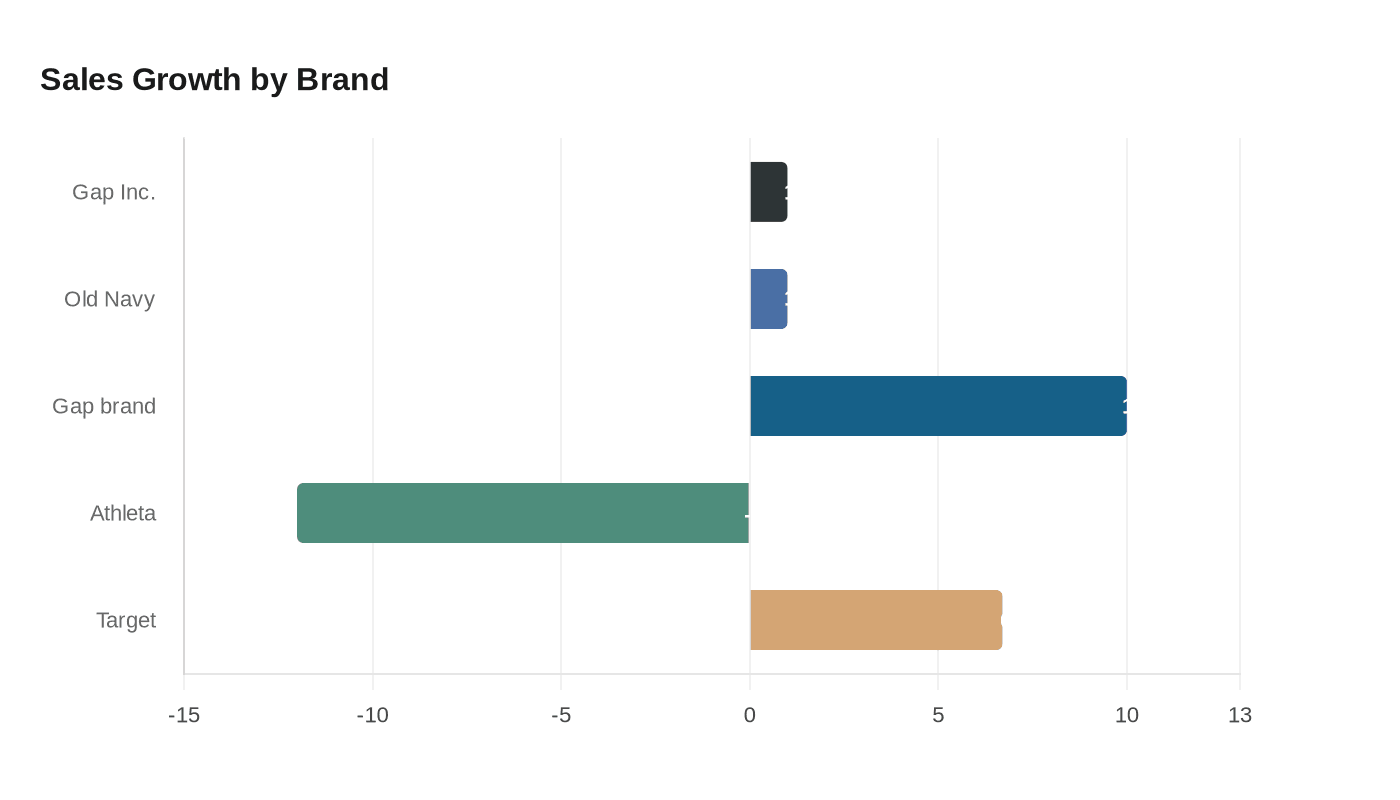
The broader quarter showed the same tension. Gap Inc. reported first-quarter net sales of $3.5 billion, up 1 percent, with comparable sales up 2 percent and gross margin at 40.5 percent. Old Navy, which still makes up more than half of sales, posted net sales of $2.0 billion, up 1 percent, with comps up 1 percent. Gap brand sales rose 10 percent and logged a 10th straight quarter of positive comps, while Athleta remained under pressure, with sales down 12 percent and comps down 11 percent. The company also returned $464 million to shareholders and lowered its full-year sales outlook to 1 percent to 2 percent growth, even as it raised adjusted EPS guidance to $2.30 to $2.40.
The stock reaction was a reminder of how quickly the market punishes a fashion miss. Shares fell more than 14 percent in extended trading after the release. For Target, the parallel is not about copying Gap’s playbook; it is about avoiding the same failure mode. Target said on March 3 it would invest an incremental $2 billion this year, including more than $1 billion in capital spending and $1 billion in operating investments, to refresh stores, improve payroll and training, and sharpen assortment. On May 20, Target said first-quarter net sales rose 6.7 percent to $25.4 billion and comparable sales rose 5.6 percent, with all six core merchandising categories higher than a year earlier.
That makes the lesson plain for store leaders, merchants and ETLs: watch for the first signs of drift in women’s, seasonal and outfit-driven categories; watch whether signing makes the value obvious in seconds; watch whether markdowns are arriving before guests buy the story; and listen for the feedback loop from stores when the rack and the ticket no longer match. When those signals line up, value is working. When they do not, the brand pays for it fast.
This article was produced by Prism’s automated news system from verified source data, official records, and press releases, then run through automated quality and moderation checks before publishing. The system is built and supervised by the people who set the standards it runs under. Read our full AI policy.
Know something we missed? Have a correction or additional information?
Submit a Tip