Labor Department boosts union transparency as retail organizing pressure grows
The Labor Department’s new union disclosure rule gives workers more detail on dues spending, a shift that could shape how Target employees judge organizing drives.

Target workers weighing a union drive may soon have an easier time seeing where dues go. The Labor Department finalized a rule on May 29 that boosts financial transparency for unions covered by the Labor-Management Reporting and Disclosure Act of 1959, modernizes the annual Form LM-2, and creates an enhanced LM-2 Long Form for the nation’s largest labor organizations.
For retail employees, the practical change is simpler than the regulatory language. The Office of Labor-Management Standards already runs a public disclosure room where anyone can search reports filed by unions, union officers and employees, employers, labor relations consultants, and surety companies. The new rule is meant to sharpen that visibility and keep reporting in step with larger, more complex labor organizations. It also raises filing thresholds for Forms LM-2, LM-3 and LM-4, which means smaller unions should face less paperwork while the biggest ones disclose more detail.
That matters in stores where organizing talk often turns on trust as much as pay. Workers do not just ask whether a union can win a wage increase. They ask how dues are spent, who has access to the books, and whether the organization looks accountable once the cards are signed. The department said the LM-2, LM-3 and LM-4 thresholds had stayed unchanged for more than 20 and 30 years, respectively, before this rulemaking, a sign that the reporting system had not kept pace with the scale of modern labor groups.
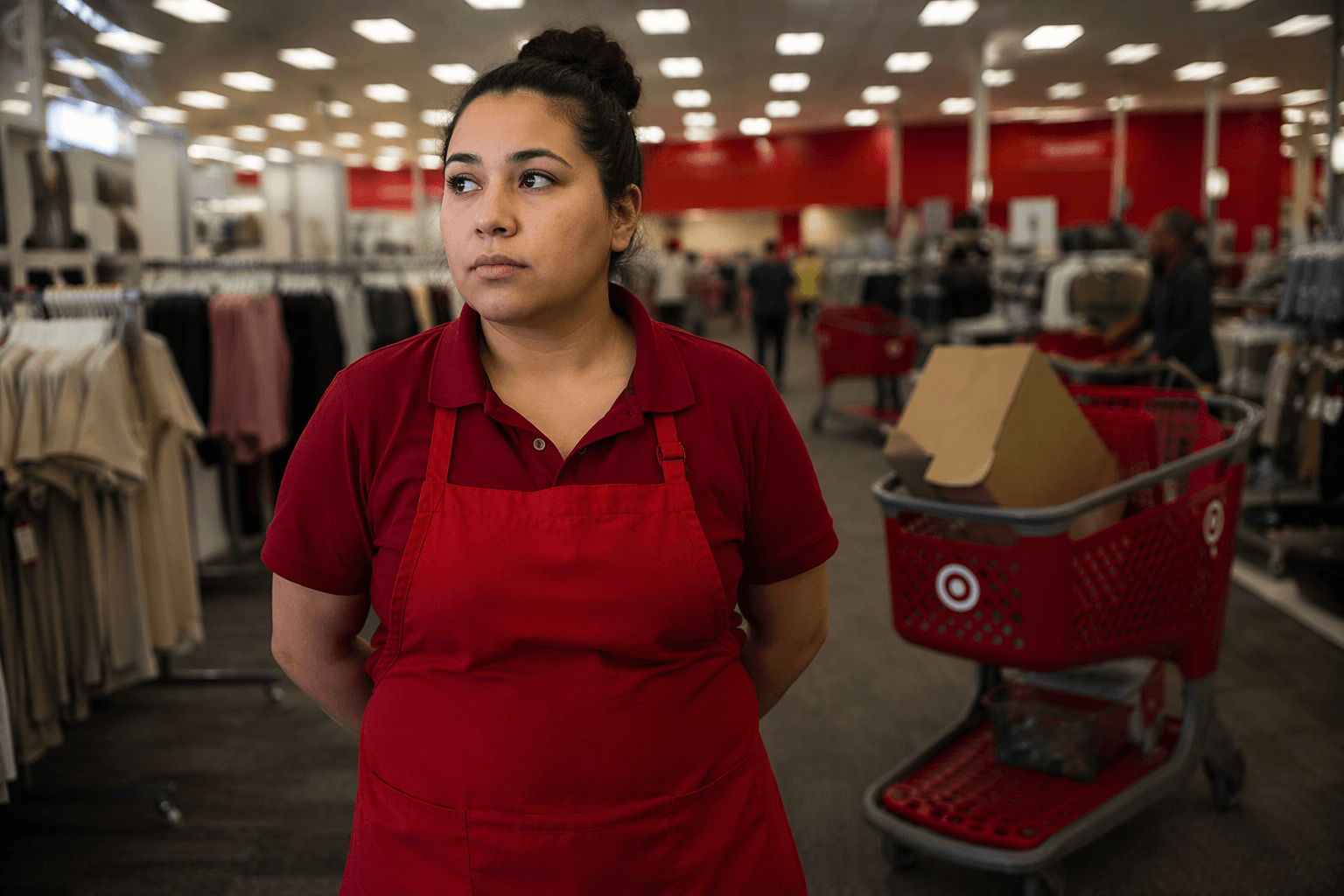
Target has already seen that labor pressure up close. Workers at a Christiansburg, Virginia, store filed for a union election in May 2022, saying inflation was outpacing their pay and management had ignored a petition for seniority-based raises. CNBC later reported that the workers withdrew the election request. An NLRB case involving Target Corporation in Chicago, filed on February 18, 2025, remained open in the board’s public docket. Those episodes make the new disclosure rule more than a Washington exercise. For Target managers, it is a reminder that organizing fights now run through questions about credibility, not just wages and scheduling.
That wider backdrop is getting harder for employers to ignore. The Economic Policy Institute said petitions for union elections at the NLRB have more than doubled since 2021, public support for unions is near 70%, and union representation reached 16 million workers in 2024. The AFL-CIO later said representation rose by 463,000 in 2025 to 16.5 million workers. In retail, where pay, benefits, scheduling and turnover collide every day, the new rule could make union finances easier to scrutinize just as organizing pressure keeps climbing.
This article was produced by Prism’s automated news system from verified source data, official records, and press releases, then run through automated quality and moderation checks before publishing. The system is built and supervised by the people who set the standards it runs under. Read our full AI policy.
Know something we missed? Have a correction or additional information?
Submit a Tip