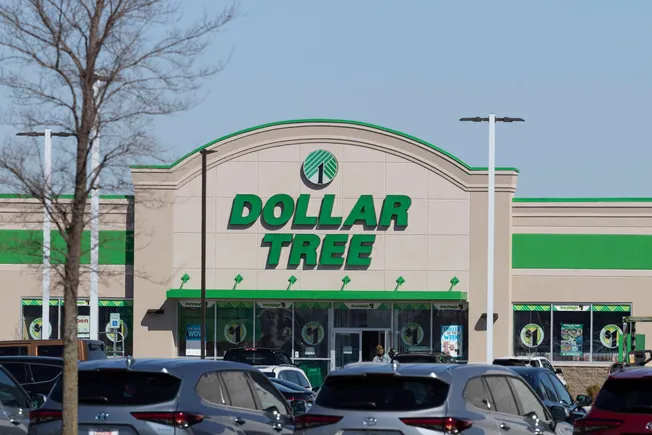
REI boycott shows Target leaders rising union pressure risk
REI’s 10-day boycott drew 70,000 pledges and thousands of sidelined shoppers, showing how fast retail labor fights can hit sales, morale and brand perception.
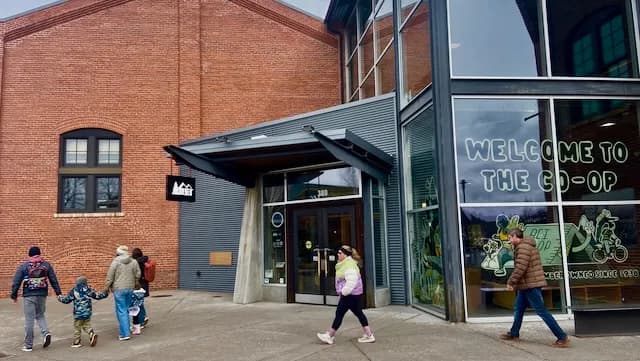
REI’s Anniversary Sale became a test case for retail labor power when the REI Union said its boycott turned away thousands of shoppers during the 10-day event, with 70,000 customers pledging not to shop. Workers at the 11 unionized REI stores said the pressure was enough to knock stores off daily sales targets, turning a contract fight into an operational problem for the chain.
REI said a different picture was true on the balance sheet: 20 million customers shopped the sale, and the event came in more than 3 percent above forecast and 7 percent above budget. That gap between management’s numbers and workers’ campaign claims is exactly why the dispute matters far beyond Seattle or Issaquah. In retail, the same sales window can look like success from headquarters and strain from the sales floor, depending on who is counting traffic, staffing and missed conversion.

The boycott grew out of months of bargaining that have stretched for about four years across the 11 unionized stores. REI and the unions reached an agreement in August 2025 to establish a national bargaining structure for those locations, but by spring 2026 they still had not reached a contract agreement. The union said the campaign was necessary because it wanted a fair contract with fair pay, predictable scheduling and strong benefits, the same issues that drive frustration in nonunion stores when schedules shift or staffing runs thin.
The dispute intensified in March 2026, when REI told employees it planned to reduce starting pay for future hires and scale back certain benefits for current workers beginning July 1, 2026. The company said the changes were tied to business needs. To the union, the move showed why the boycott had to keep going. Union and allied labor groups said they delivered more than 20,000 boycott pledges to REI headquarters in Issaquah, Washington, in April, and later said the campaign generated nearly 500 actions across 30 states.
For Target leaders, the lesson is not about REI alone. Retail labor campaigns now know how to use a major selling event, customer identities and coordinated timing to create public pressure fast. The REI Union also said a San Diego store was preparing for a vote that could make it the 12th unionized REI location, a sign that the organizing fight is still expanding. For team leads and ETLs, that means watching schedule stability, morale and pay changes before frustration spills into traffic, turnover and brand damage.
This article was produced by Prism’s automated news system from verified source data, official records, and press releases, then run through automated quality and moderation checks before publishing. The system is built and supervised by the people who set the standards it runs under. Read our full AI policy.
Know something we missed? Have a correction or additional information?
Submit a Tip