Retail profits rise, but Target teams still face tighter execution
Retail profits climbed to $64.5 billion, but Target's 4.5% margin points to tighter payroll, training, and store execution.
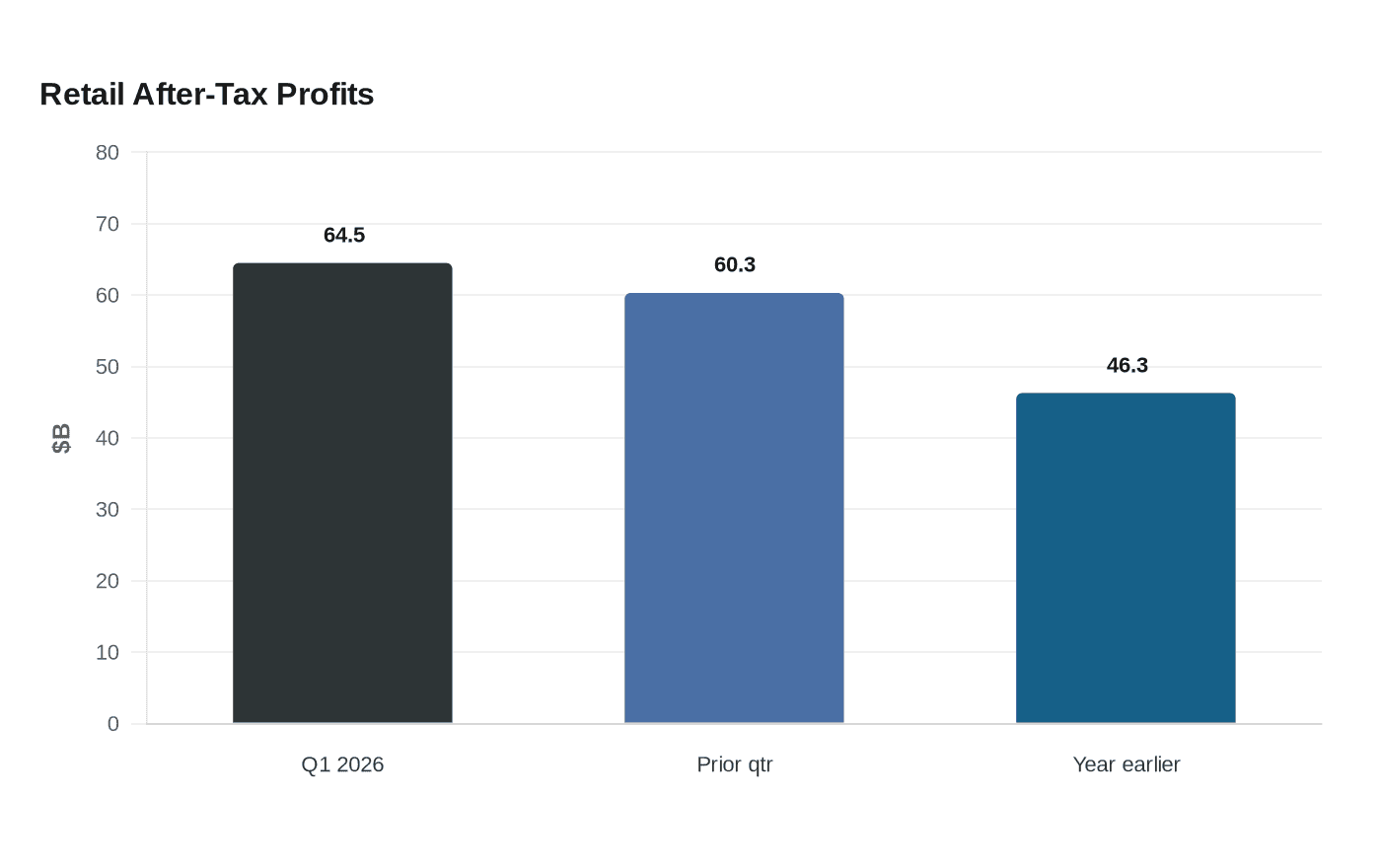
Retail’s latest profit data looks healthy on paper, but it does not mean the work inside Target stores gets any lighter. The U.S. Census Bureau said seasonally adjusted after-tax profits for large retail trade corporations reached $64.5 billion in the first quarter of 2026, up from $60.3 billion in the prior quarter and $46.3 billion a year earlier, while sales rose to $1,125.8 billion. For Target teams, the real question is how much of that industry strength turns into labor, training, and equipment on the floor, and how much gets absorbed by margin pressure.
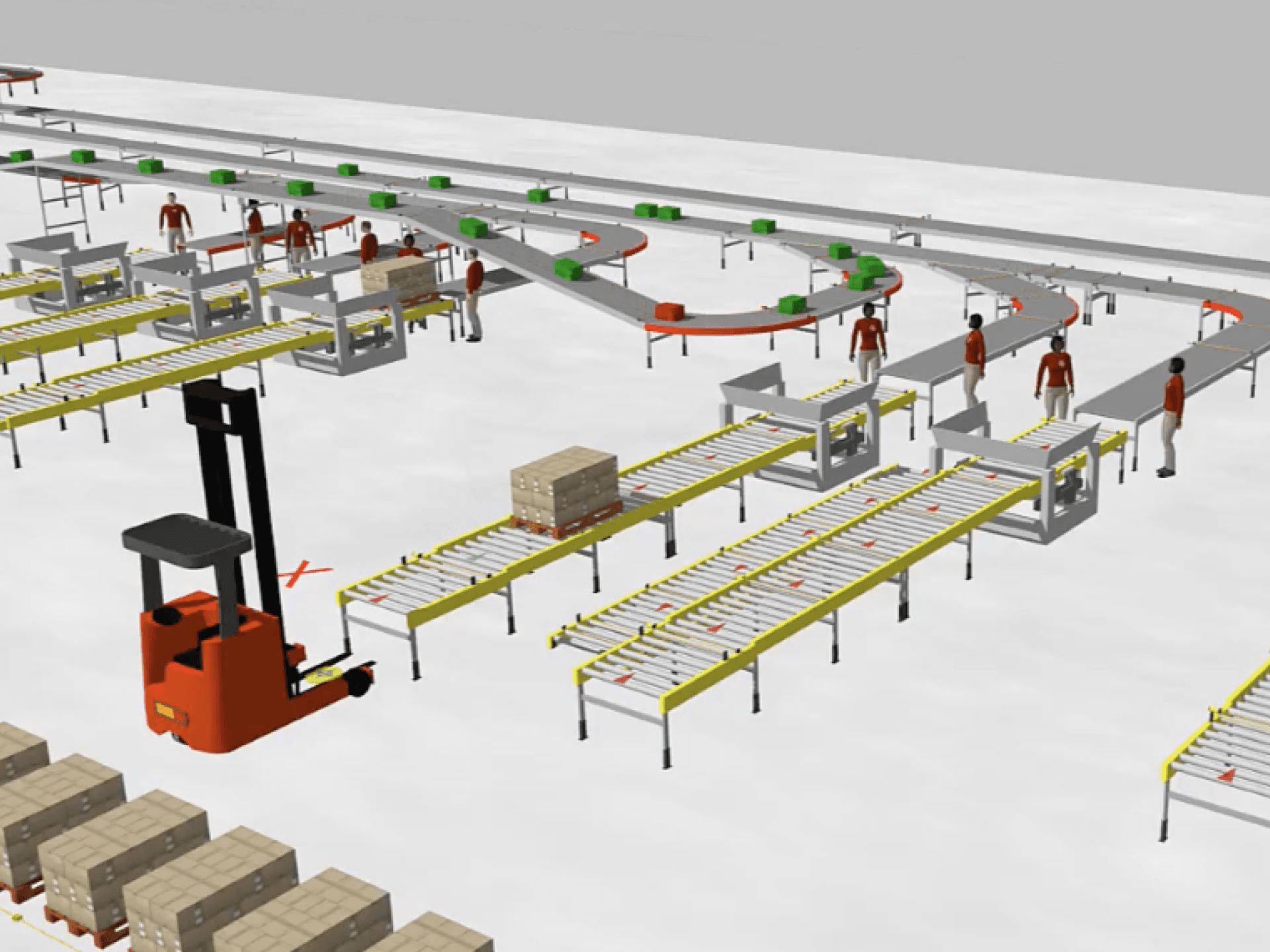
Target’s own first-quarter numbers point to a business that is growing, but still demanding tighter execution. Net sales rose 6.7% to $25.4 billion, comparable sales increased 5.6%, the first positive comp in five quarters, and comparable traffic rose 4.4%. Digital comparable sales grew 8.9%, helped by more than 27% growth in same-day delivery through Target Circle 360, while non-merchandise sales climbed nearly 25%. All six core merchandising categories were higher than a year earlier. That is the kind of recovery that usually creates more work, not less: more fulfillment, more replenishment, more guest service, and more pressure to keep shelves full without letting labor drift.
Even with the better top line, Target’s first-quarter operating income margin rate was 4.5%. That is the kind of number that matters to store teams because it helps explain why a stronger quarter does not automatically translate into looser schedules or less scrutiny over productivity. In retail, higher sales can bring more operational complexity, and executives often respond by pushing harder on consistency rather than easing up. The broad sector backdrop reinforces that dynamic. When profits rise, retailers may have room to invest, but they can also decide to channel that room into stores, digital speed, technology, and supply chain resilience instead of handing it back through labor costs.
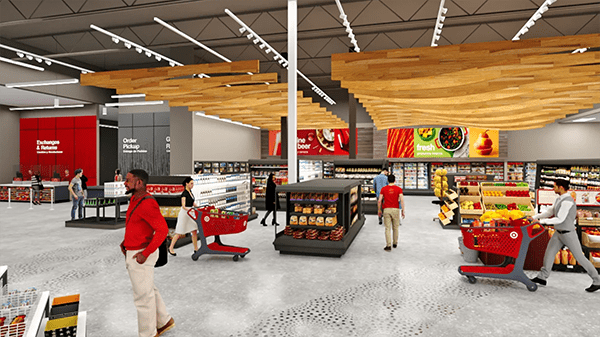
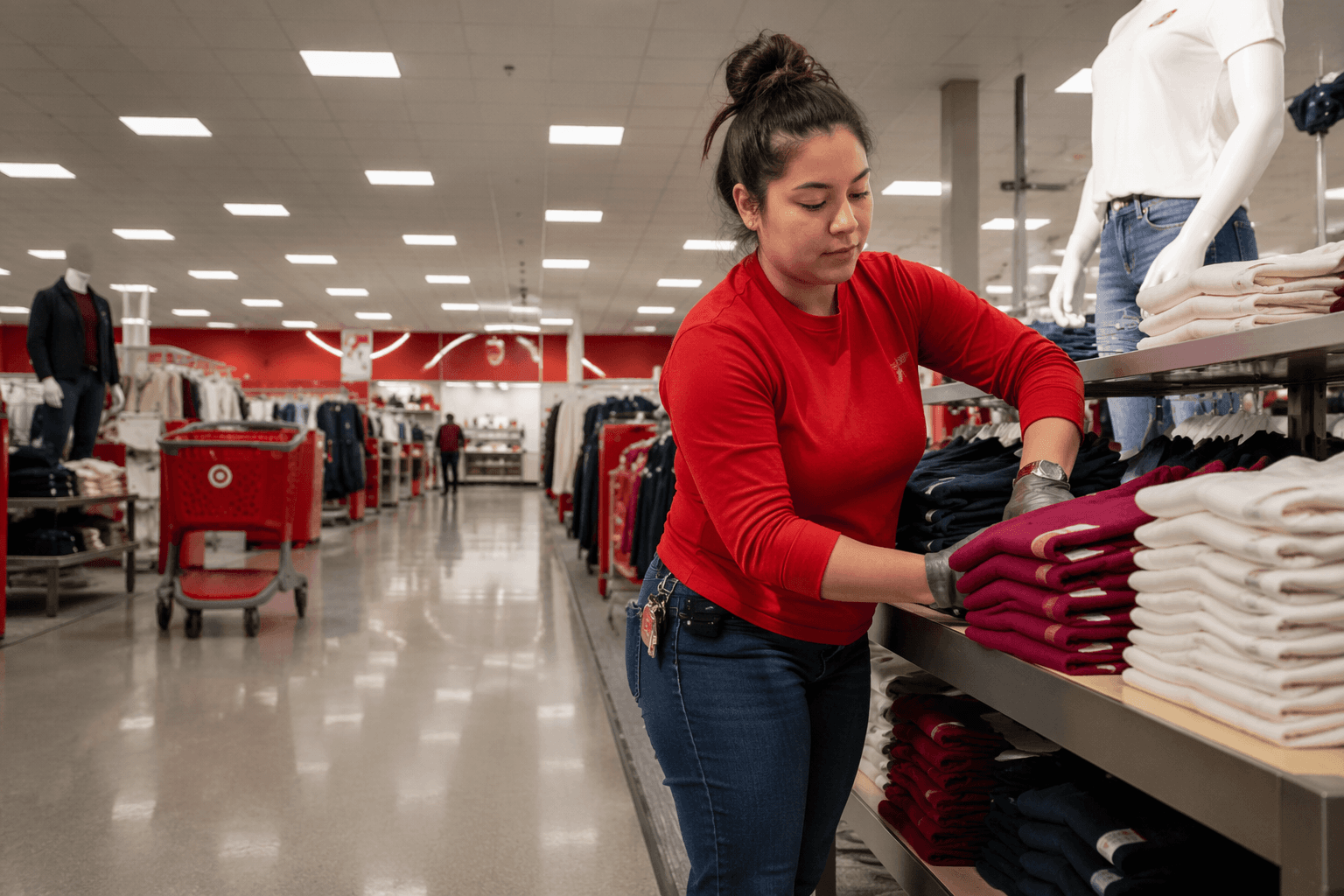
Target has already signaled where it wants to spend. In March 2026, the company said it would make an incremental $2 billion in investments this year, including more than $1 billion in additional capital expenditures and $1 billion in additional operating investments. Hundreds of millions of dollars are slated for store payroll and training, alongside refreshed floor plans, enhanced displays, stronger assortment, and faster technology adoption, including AI. Michael Fiddelke, who became chief executive on Feb. 1 after Brian Cornell, called the quarter “stronger than expected” and said Target is focused on “building consistent, long-term growth” while staying “disciplined and flexible in an uncertain operating environment.”
Investors were still wary, with Target shares falling nearly 4% on May 20 despite the earnings beat. For employees, the signal is less about celebration than pressure: better sales may bring more investment, but they also raise the bar for speed, precision, and execution across every shift.
This article was produced by Prism’s automated news system from verified source data, official records, and press releases, then run through automated quality and moderation checks before publishing. The system is built and supervised by the people who set the standards it runs under. Read our full AI policy.
Know something we missed? Have a correction or additional information?
Submit a Tip