Target replaces 500,000 carts, but shoppers push back on redesign
Target is swapping out 500,000 carts just as shoppers blast the new design and threaten boycotts. Store teams may be the ones explaining the upgrade aisle by aisle.

Target’s cart reset is meant to signal a better store experience, but the first reaction has been confusion, criticism and, in some cases, boycott threats. The company is replacing about 500,000 shopping carts over the next few years, making the new design part of a broader effort to regain shopper trust at a moment when the chain is trying to stabilize its business and its brand.
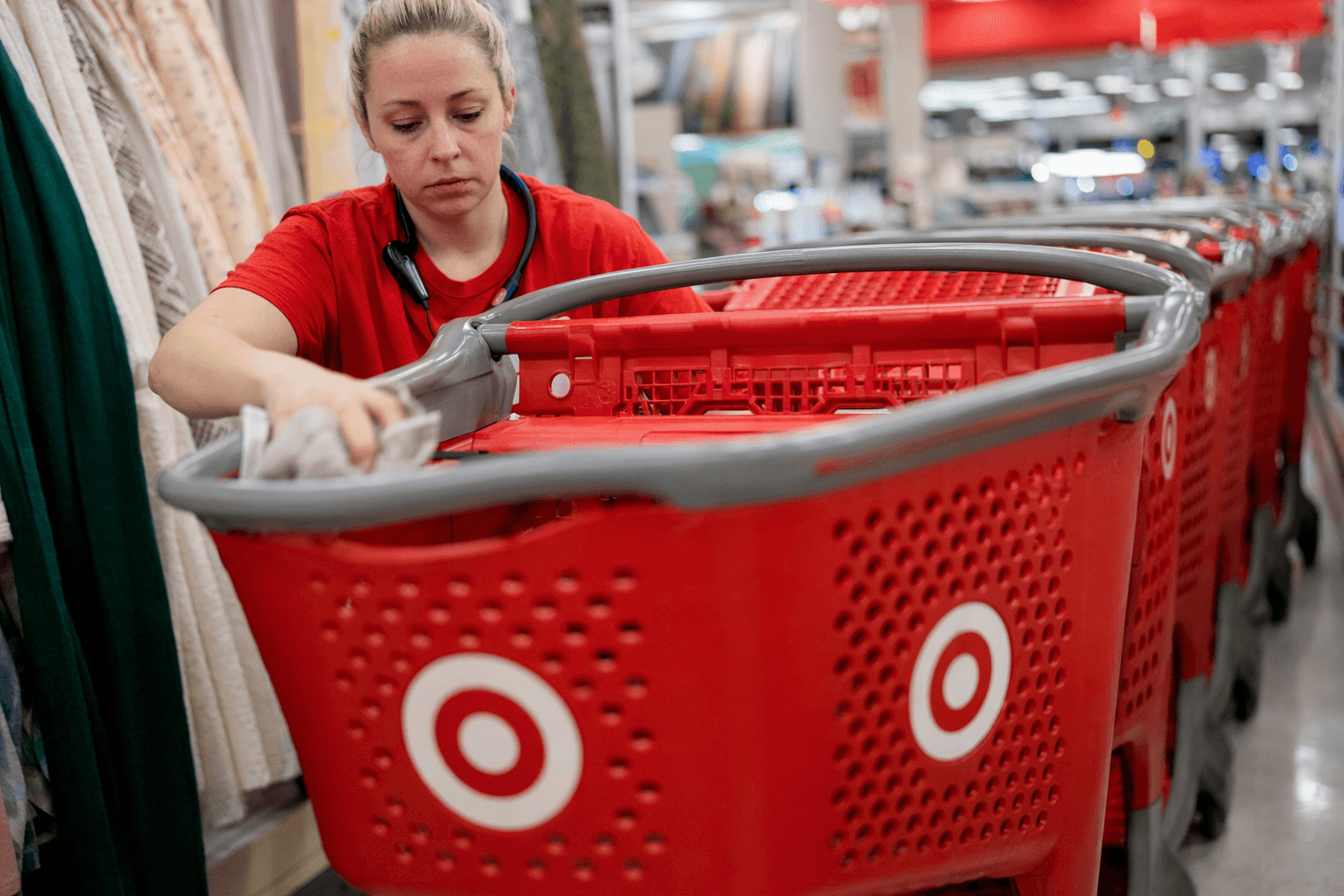
That matters on the sales floor because carts are not a side detail at Target. Sarah Deuth, the company’s vice president of store design, has said the cart is the first touchpoint guests meet when they enter the store and the most-used item in the building. If the redesign annoys shoppers, the frontline burden will fall on store teams, who will be the ones hearing complaints about how the cart looks, how it handles, or whether it feels as sturdy as the old one. If carts are harder to maneuver, harder to retrieve, or simply unpopular, team members are the ones who will have to absorb the frustration and keep the visit moving.
The new cart is Target’s first nationwide all-plastic shopping cart, and Fast Company reported that the Series 3 design was shaped by 20 years of consumer research. Target had already changed cart wheels about a decade ago, moving from polyurethane to rubber for better grip. But this redesign lands in a tougher environment, with shoppers more willing to interpret even a cart change as proof that the company is drifting away from what made it distinctive.
That backdrop explains why the rollout feels larger than a cart swap. On March 3, Target said it would spend an incremental $2 billion in 2026, including more than $1 billion in capital expenditures and $1 billion in operating investments, to transform store layouts and displays, increase payroll and training, and speed up technology. Two days later, the company said it would open more than 30 new stores in 2026, including its 2,000th location in Fuquay-Varina, North Carolina, and said its 2026 capital investment plan totals $5 billion.
The pressure on management is real. CNBC reported in July 2025 that Target’s shares had fallen about 61% from their late-2021 peak and that annual sales had stagnated for four years, while customers, vendors and former employees said the retailer had lost some of the traits that once set it apart. Reuters reported in February 2026 that shareholders were also questioning management decisions.
Chief executive Michael Fiddelke has said the company wants style, design and value at the center of everything it does. For store teams, though, the test is more immediate: whether a guest-facing upgrade becomes another daily issue they have to explain, defend and clean up.
This article was produced by Prism’s automated news system from verified source data, official records, and press releases, then run through automated quality and moderation checks before publishing. The system is built and supervised by the people who set the standards it runs under. Read our full AI policy.
Did this article answer your question?