Wholesale prices jump, adding pressure to Target's pricing and inventory decisions
April wholesale and import prices jumped, and Target’s half-imported assortment could feel it first in markdowns, order timing, and store workload.
When wholesale costs jump, Target store teams usually feel it first in the basics: freight flow gets tighter, reshop piles up faster, markdown cadence changes, and leaders watch hours and staffing discipline more closely.
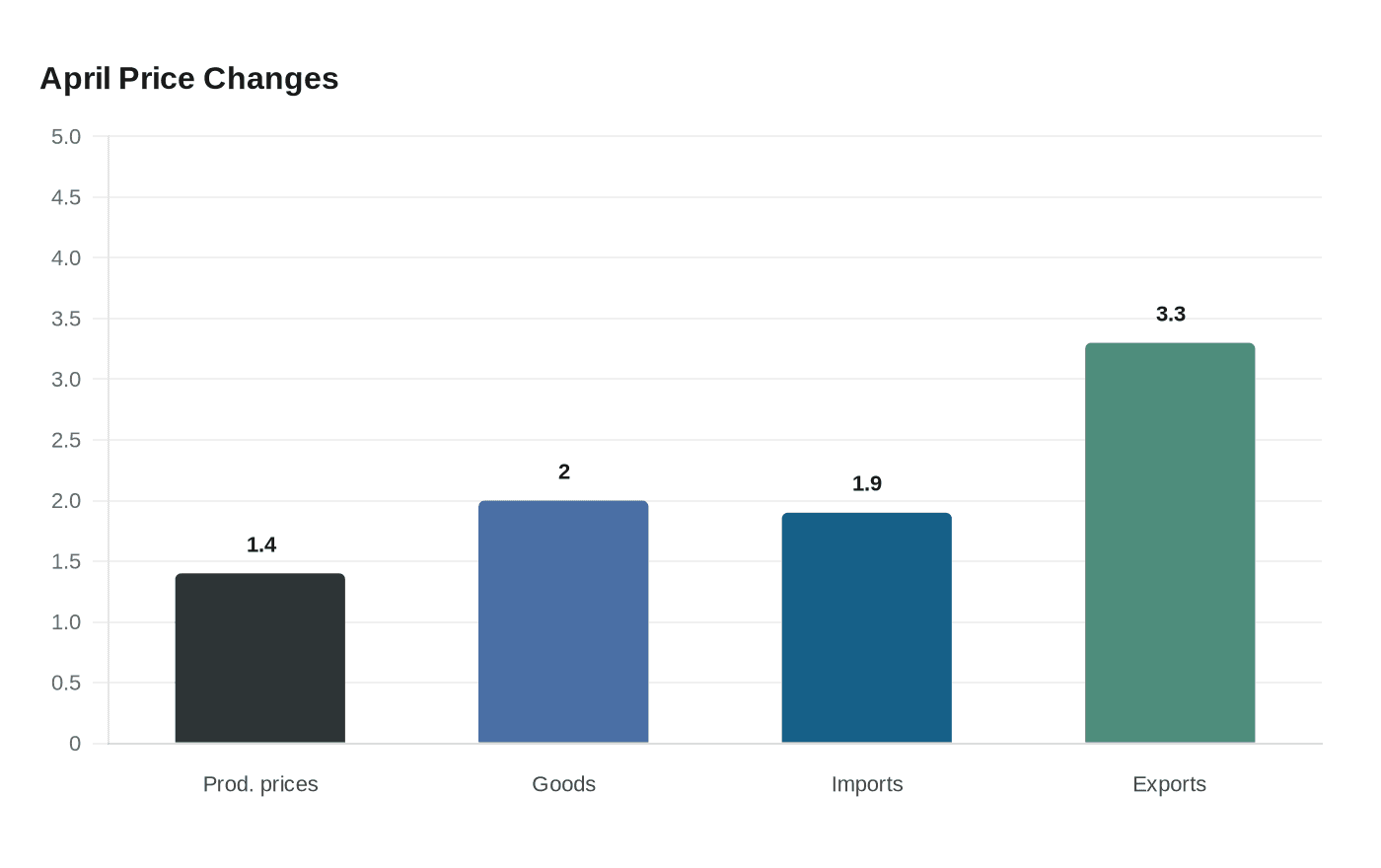
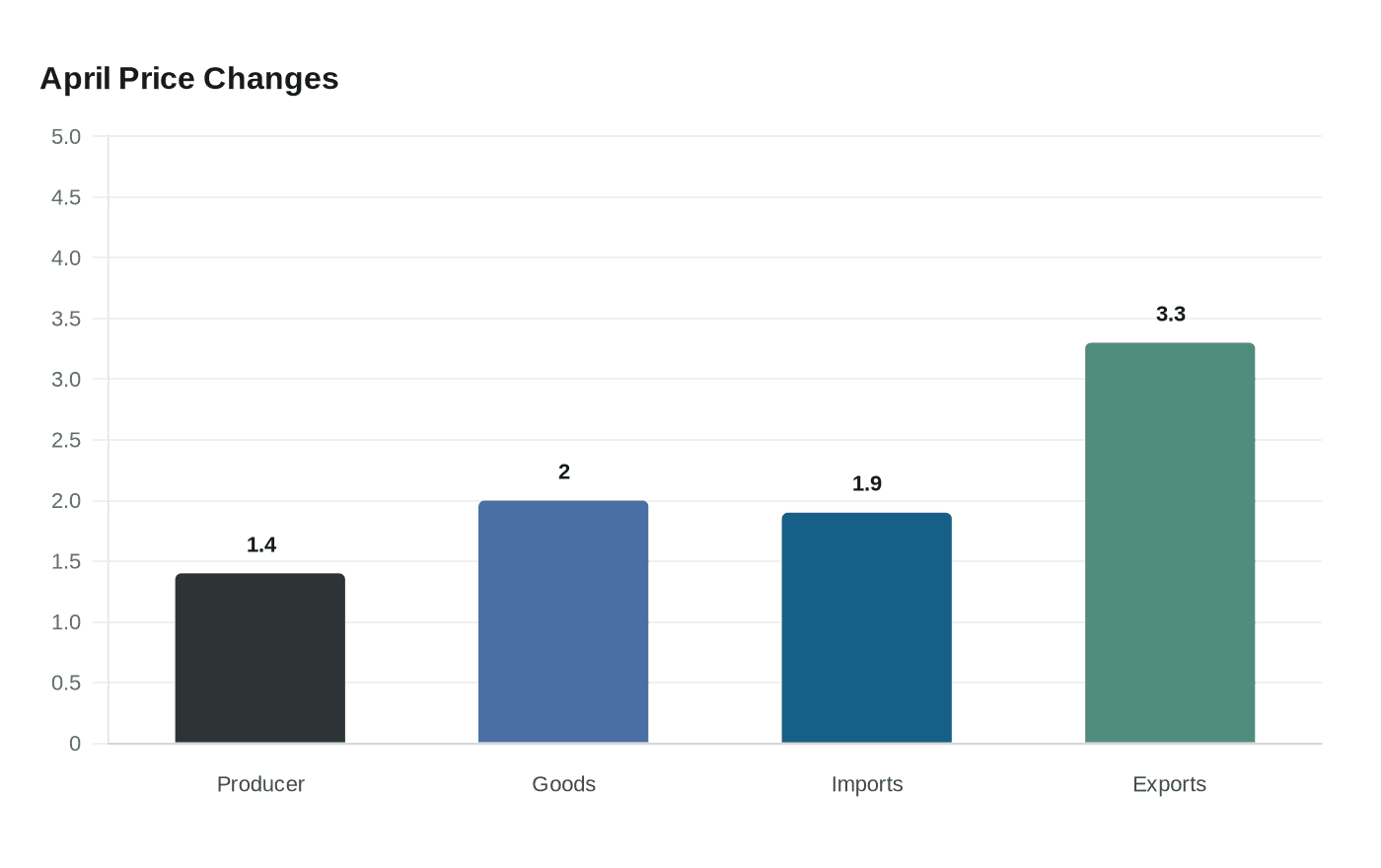
That is the practical read on the latest numbers from the U.S. Bureau of Labor Statistics. Final demand producer prices rose 1.4% in April and 6.0% over the past 12 months, the biggest monthly increase since March 2022 and the largest year-over-year gain since December 2022. Final demand goods climbed 2.0% in the month, with energy a major driver, while services also moved higher, including transportation and warehousing categories that sit close to the retail supply chain. U.S. import prices rose 1.9% in April and 4.2% over the year, and export prices advanced 3.3%.
For a Target store, that does not stay abstract for long. Higher costs upstream can push merchants to slow inventory commitments, narrow assortments, and lean harder on promotion strategy instead of broad price cuts. On the floor, that can mean fewer extra units in backstock, more careful planning around seasonal resets, and more time spent explaining why one category is on sale while another is holding price. It is the kind of pressure that shows up in the pace of price changes, the amount of freight coming in, and how much cleanup the team has to do after every promotional weekend.
Target is especially exposed because about half of its merchandise comes from outside the United States, either directly or through vendors, and China is its single largest source of imported goods. The company also said in its 2025 annual report that new tariffs on a wide range of imported products began in 2025 and were later modified through a mix of increases, decreases, pauses, and limited exemptions. That leaves pricing and sourcing decisions tied to both inflation and trade policy at the same time.
Brian Cornell has said raising prices to cover tariff costs would be Target’s "very last resort." Around the same time, Rick Gomez was steering the company through supplier talks, expanding sourcing beyond China, re-evaluating assortment, and adjusting the timing and quantity of orders to blunt tariff exposure. Target and Walmart also pressed suppliers over proposed tariff-related price hikes, underscoring how much of the squeeze is happening before products ever reach a store.
The strain is already visible in Target’s results. First-quarter 2025 net sales were $23.8 billion, down 2.8% from a year earlier, and adjusted earnings per share fell to $1.30 from $2.03. Gross margin rate slipped to 28.2% from 28.8%, a sign of markdown pressure and digital fulfillment costs. Target later cut its full-year outlook to low-single-digit sales declines and adjusted earnings per share of $7 to $9. For store teams, that mix usually means tighter inventory, sharper promo discipline, and less room to absorb operational slippage without it showing up in the day-to-day workload.
This article was produced by Prism’s automated news system from verified source data, official records, and press releases, then run through automated quality and moderation checks before publishing. The system is built and supervised by the people who set the standards it runs under. Read our full AI policy.
Did this article answer your question?