Target’s small-format roles blend service, stocking and operations
Small-format Target jobs are built for people who can switch fast, keep shelves full and still handle guests. The work is broader, busier and more operations-heavy than many shoppers realize.
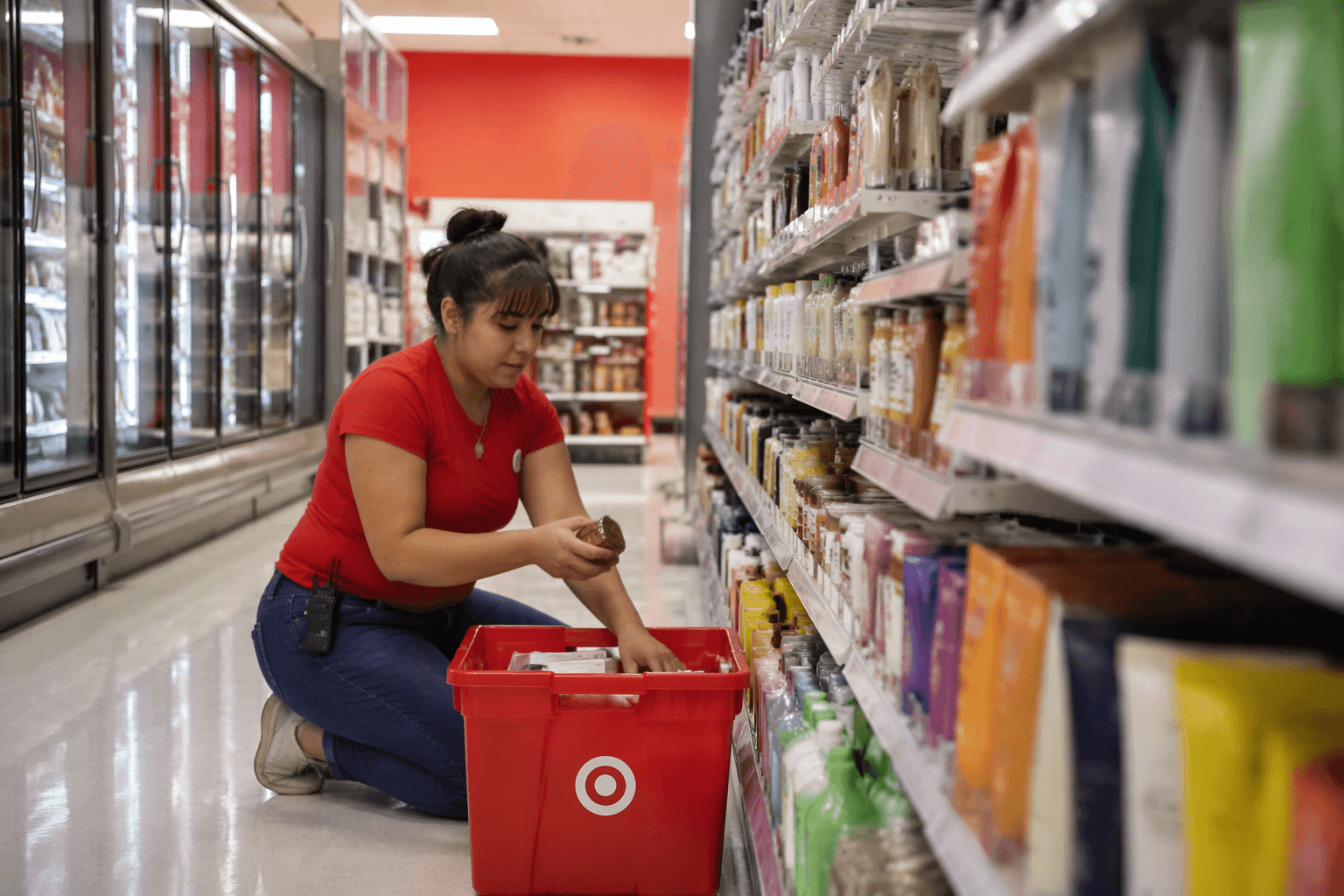
Target’s small-format stores demand a worker who can do more than one lane of retail at a time. In these locations, the team member is expected to keep product in stock, priced correctly and signed properly on the sales floor while also handling cashiering, guest service, stocking and broader store operations. That mix makes the job feel less like a single role and more like a compact operating system for the store itself.
What the role really covers
Target describes small-format team members as people with experience in service, operations, process and efficiency, and that is the right lens for understanding the job. The work is not just putting freight away or standing at a register. It includes cashiering, presentation, price accuracy, inventory management, sales trend awareness and process improvement, all while supporting daily and weekly workload priorities tied to sales goals.
That matters because the job is built around movement. One hour can look like helping a guest, the next can mean restocking a key aisle, correcting a price, or making sure a display is set to standard. In practical terms, the role is about reducing friction for shoppers while keeping the floor accurate enough that the store can run cleanly behind the scenes.
The guest-service side is also explicit. Target’s expectations include the basics of retail courtesy, such as greeting the guest, making eye contact, helping solve problems, ending the transaction with a sincere thank-you and staying positive and respectful with coworkers. That tells you the company is not treating service as a soft skill on the margins. It is part of the job’s operating discipline.
Why small-format stores are different
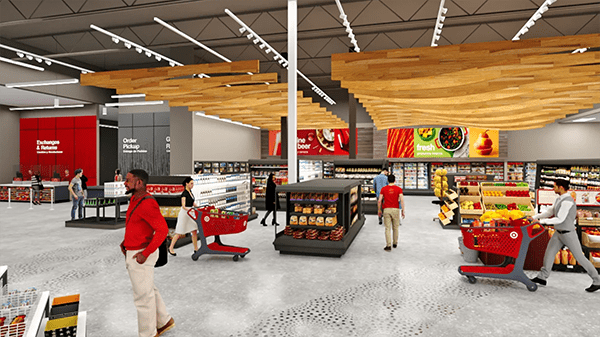
Small-format stores are not scaled-down versions of a big-box Target in any simple sense. Target says its U.S. store base includes more than 2,000 stores, and over 170 of them are small-format stores. Those locations range from several thousand square feet to more than 200,000 square feet, which shows how wide the category can be and why the work shifts with the size and neighborhood of the store.
The small-format model exists because Target has long used store design to fit local demand. In 2015, the company said it would open 15 stores, including eight TargetExpress locations and one CityTarget. In 2017, it opened 11 small-format stores in one week across New York, Chicago, Los Angeles, Philadelphia and Minneapolis. In 2018, it announced three more small-format stores in New York City neighborhoods. That pattern shows a strategy built around dense urban areas and campuses, where speed, convenience and layout matter as much as traditional mass merchandising.
For workers, that means the pace can be tighter and the expectations broader than at a standard location. You are more likely to be cross-trained, more likely to switch tasks quickly and more likely to feel the pressure of being the person who can keep the store moving when the floor gets busy. The format rewards flexibility. It punishes people who want to stay in one lane all day.
The day-to-day pace: stocking, service and operations at once
The most useful way to think about the job is as a constant rotation. You may start with stocking and facing, then shift to guest service, then return to price accuracy or presentation work. Because the role includes sales trends and promotion strategies, the work is not only physical. It also requires judgment about what needs attention now, what can wait and where the store is most likely to lose time or sales if standards slip.
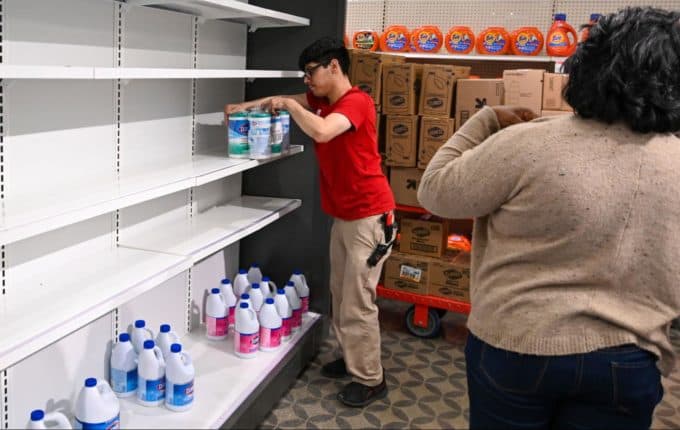
That is where small-format work becomes different from routine hourly retail. In a compact store, a missed price sign, an out-of-stock item or a poorly set display is felt faster because the floor is smaller and the guest is often there for a quick trip. Target’s own description points to inventory management and process efficiency for a reason: the store cannot afford a loose hand on the basics.
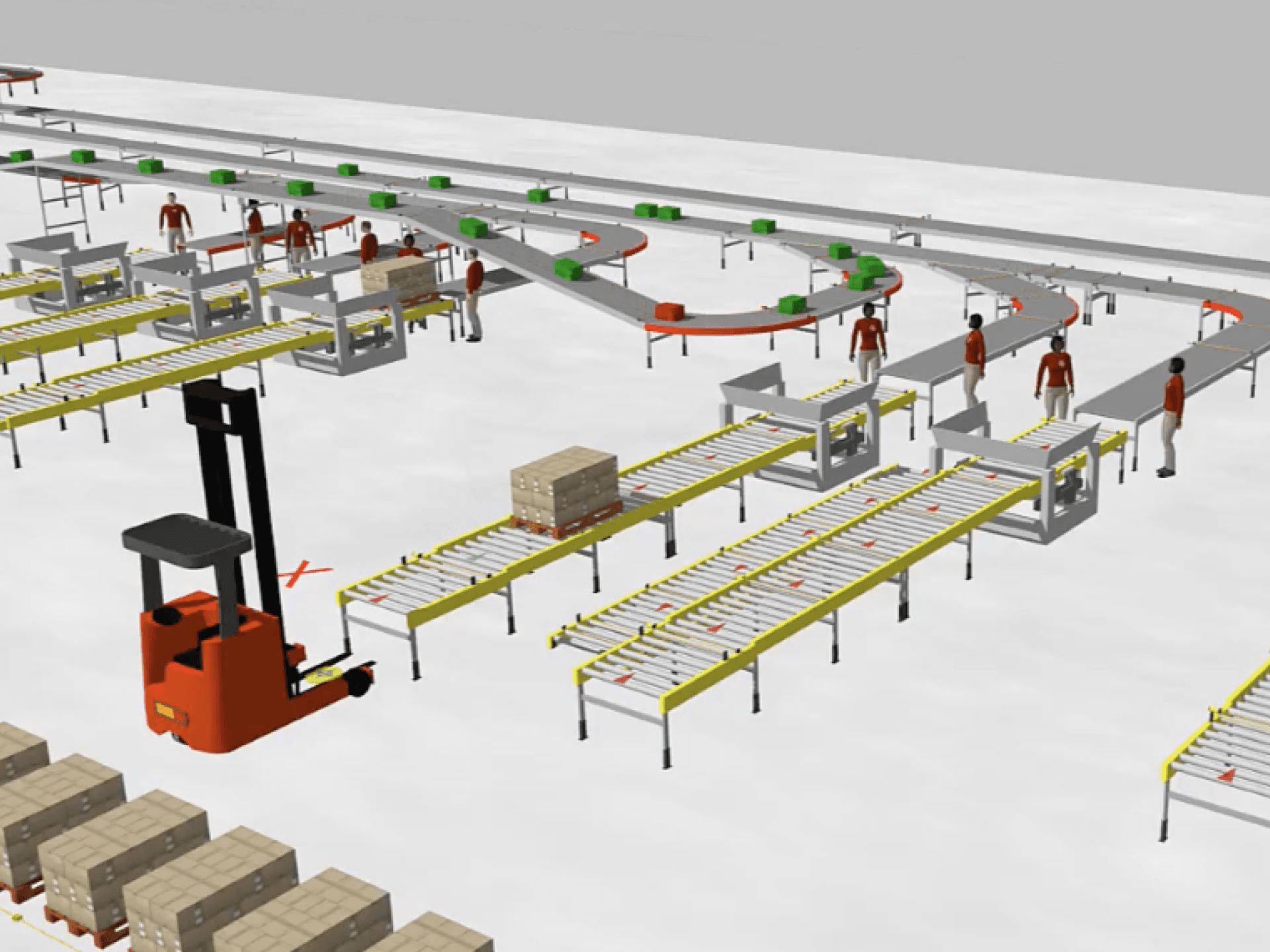
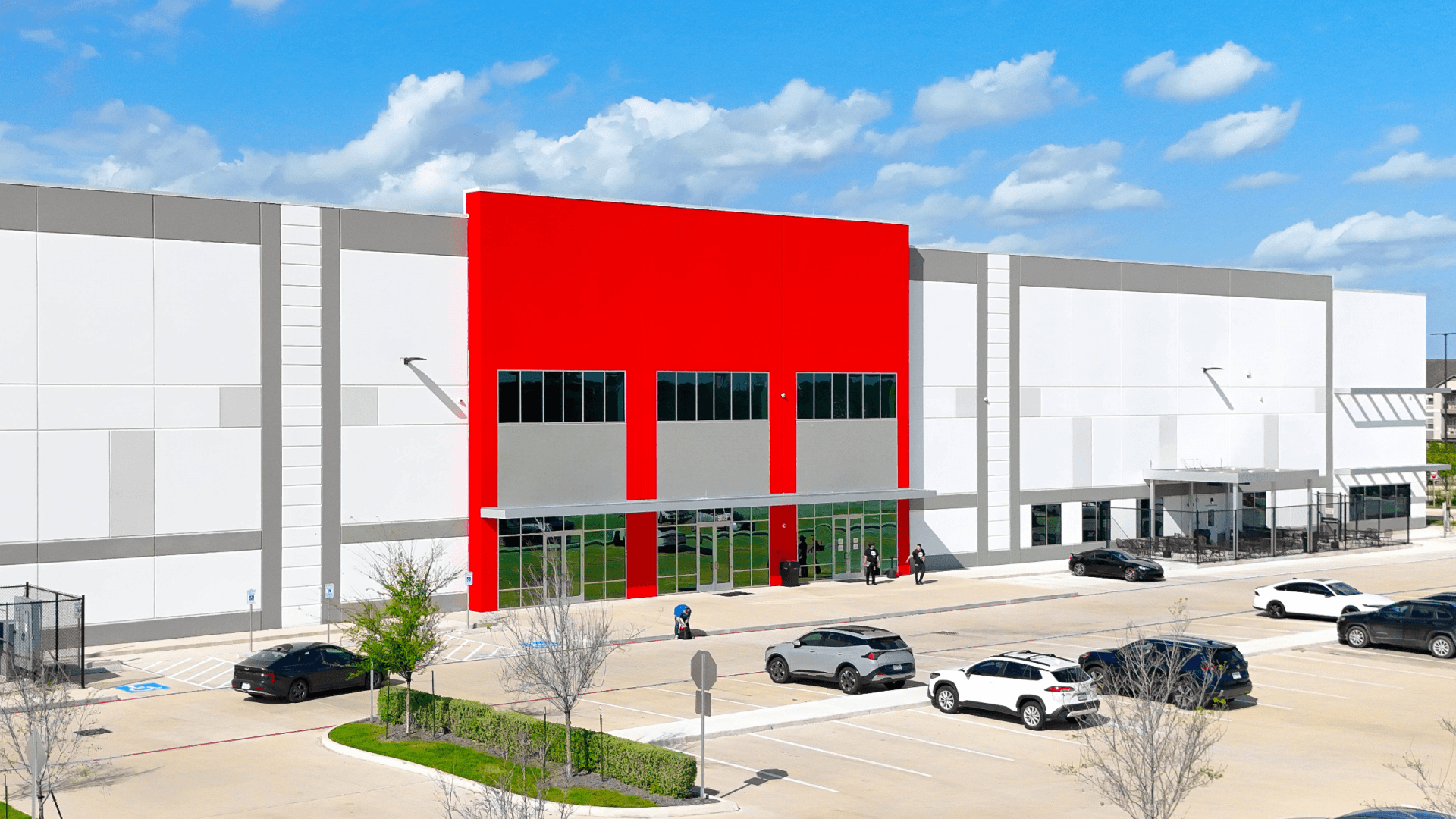
The role also connects to fulfillment behavior, even when the job title does not sound like a warehouse position. Target says its stores-as-hubs strategy depends on replenishment facilities that can receive, store and move inventory to stores on time. It has also said Drive Up would expand from 50 to nearly 1,000 stores in 2018. That means store-level execution is tied to how reliably guests can pick up orders, shop quickly and trust the store to have what it says it has. A small-format team member may not see the whole network, but the work on the floor is part of making that network function.
What the role teaches workers
The strongest case for the job is that it can teach real retail business fundamentals. Target says the role builds guest service fundamentals, retail business fundamentals, department sales trends, pricing and promotion strategies, inventory management and process efficiency and improvement. That is a meaningful skill set for someone who wants more than a short-term hourly job.
For newer workers, this can be a solid entry point into store operations because it forces you to understand how a department actually works, not just how to complete one task. You learn how a sale changes traffic, how pricing affects guest trust, how inventory affects service and how execution on the floor connects to the store’s sales goals. For team leads, that makes cross-training more than a convenience. It becomes the only way the format works.
The bigger corporate picture reinforces that point. Target says more than 30 million guests shop its stores each week, and nearly all of its sales, including digital sales, are powered by its stores. Its 2024 annual report says the company opened 23 new stores in 2024 and expected to open about 20 more in 2025. That level of store investment means the company still sees physical locations as central to the business, not incidental to it. Small-format workers are part of that engine.
Who tends to thrive, and who tends to struggle
This role tends to fit people who are comfortable with variety and pace. If you like knowing the exact thing you are responsible for and staying with it, small-format work may feel scattered. If you do well when the day keeps changing, and you can move from stocking to cashiering to guest recovery without losing focus, the job can be a strong fit.
It also suits people who see guest interaction as part of the work, not an interruption. Target’s model is built around service as much as operations, so the worker who only wants to hide in back stock will run into friction fast. On the other hand, someone who likes solving problems, keeping things organized and making a store feel easy to shop will likely find the format satisfying.
In the end, small-format Target roles are a clear example of modern retail labor becoming broader, faster and more operationally demanding. The stores may be smaller, but the work is not. It blends service, stocking and systems thinking into one job, and that is exactly why it matters.
This article was produced by Prism’s automated news system from verified source data, official records, and press releases, then run through automated quality and moderation checks before publishing. The system is built and supervised by the people who set the standards it runs under. Read our full AI policy.
Know something we missed? Have a correction or additional information?
Submit a Tip