Wakefern trims 79 jobs, outsourcing ads in retail back-office shift
Wakefern cut 79 jobs while moving ads and circulars to Quad, a reminder that retail back-office work can shift fast and hit store support first.
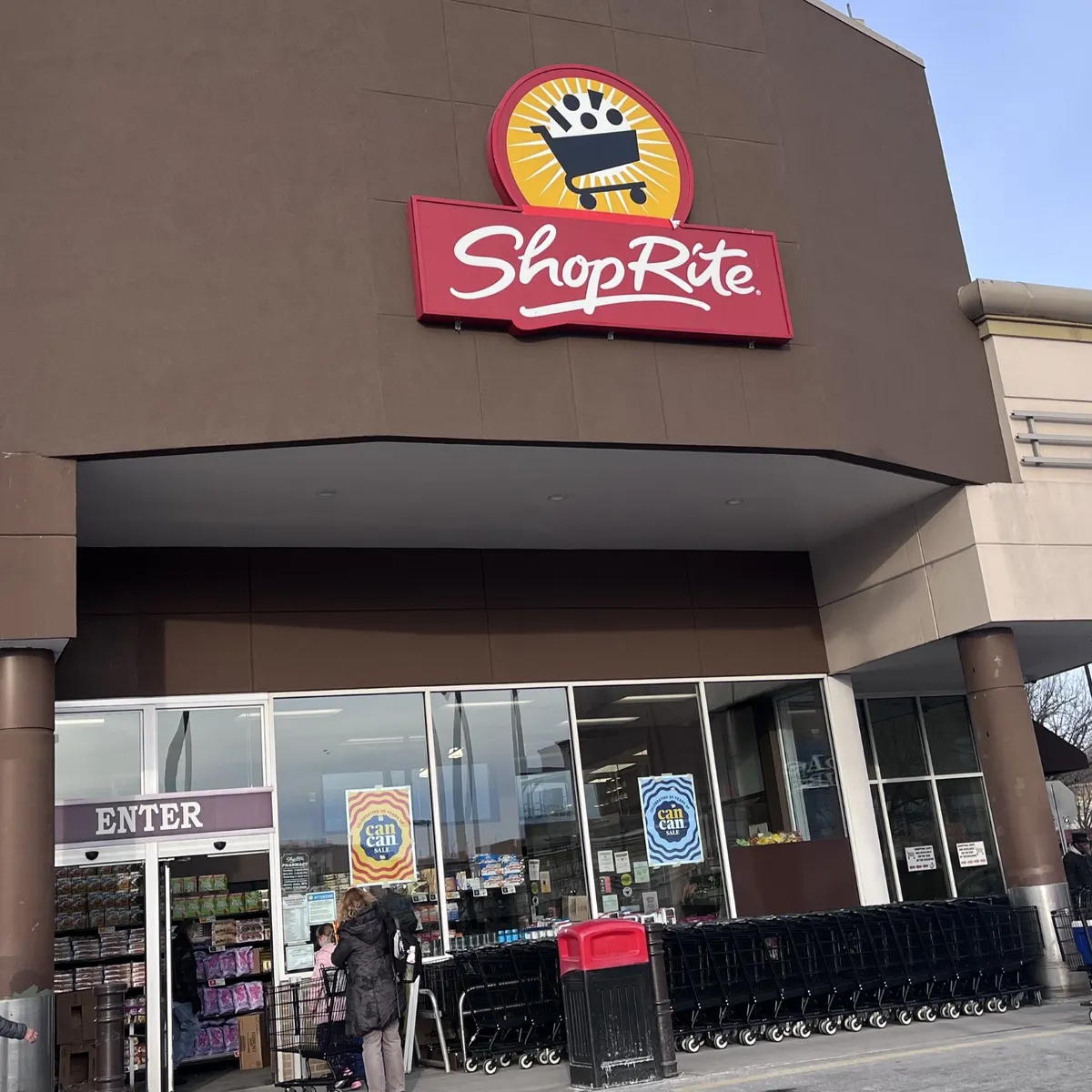
Wakefern Food Corp. eliminated 79 positions as it moved advertising and weekly circular production to Quad, a change that could ripple far beyond one grocery cooperative. For Target store leaders and headquarters teams, the move is a blunt example of how retailers keep rethinking which work stays inside the company and which gets centralized, outsourced, or automated.
The Keasbey, New Jersey-based company said the reorganization affects 79 employees and creates 73 new roles across the cooperative and Quad, with 54 of those openings reserved for impacted workers. Karen Meleta, Wakefern’s chief communications officer, said the shift will let internal teams focus on “strategic, customer-facing, and sales-building work.” Wakefern also noted that nearly two decades ago, the same advertising and circular function had been handled by an outside agency before being brought in-house.
That kind of change matters to Target employees because the first signs of a back-office reset usually show up in daily operations before any formal announcement does. Promotions can take longer to coordinate, contacts can get shuffled, approvals can slow down, and responsibilities can get folded into fewer hands. When a retailer outsources something as visible as weekly advertising, it often signals tighter control over production costs and a more standardized operating model.
The broader context is already familiar at Target. On February 9, 2026, Target said it would cut about 500 office and supply-chain jobs while shifting resources toward frontline store labor. In March, the company said it planned an incremental $2 billion in 2026 investments, including more than $1 billion in capital expenditures and $1 billion in operating investments, with spending tied to updated floor plans, enhanced in-store displays, additional store payroll and training, brand marketing, and AI-driven technology.
Target has said its 2026 goal is to accelerate return to growth by improving guest experience and simplifying operations. Wakefern’s move shows how that playbook is still playing out across retail: central work is being trimmed, outside partners are taking on more production tasks, and companies are betting that leaner support structures will free up resources for the customer-facing parts of the business. For workers, the telltale signs are often small at first, but they arrive early.
This article was produced by Prism’s automated news system from verified source data, official records, and press releases, then run through automated quality and moderation checks before publishing. The system is built and supervised by the people who set the standards it runs under. Read our full AI policy.
Did this article answer your question?