31 Days of Meditation Rewires Three Key Brain Networks, Study Finds
Forty-six beginners changed their brain connectivity in 31 days, with fMRI scans confirming stronger links across three networks tied to attention and emotion.
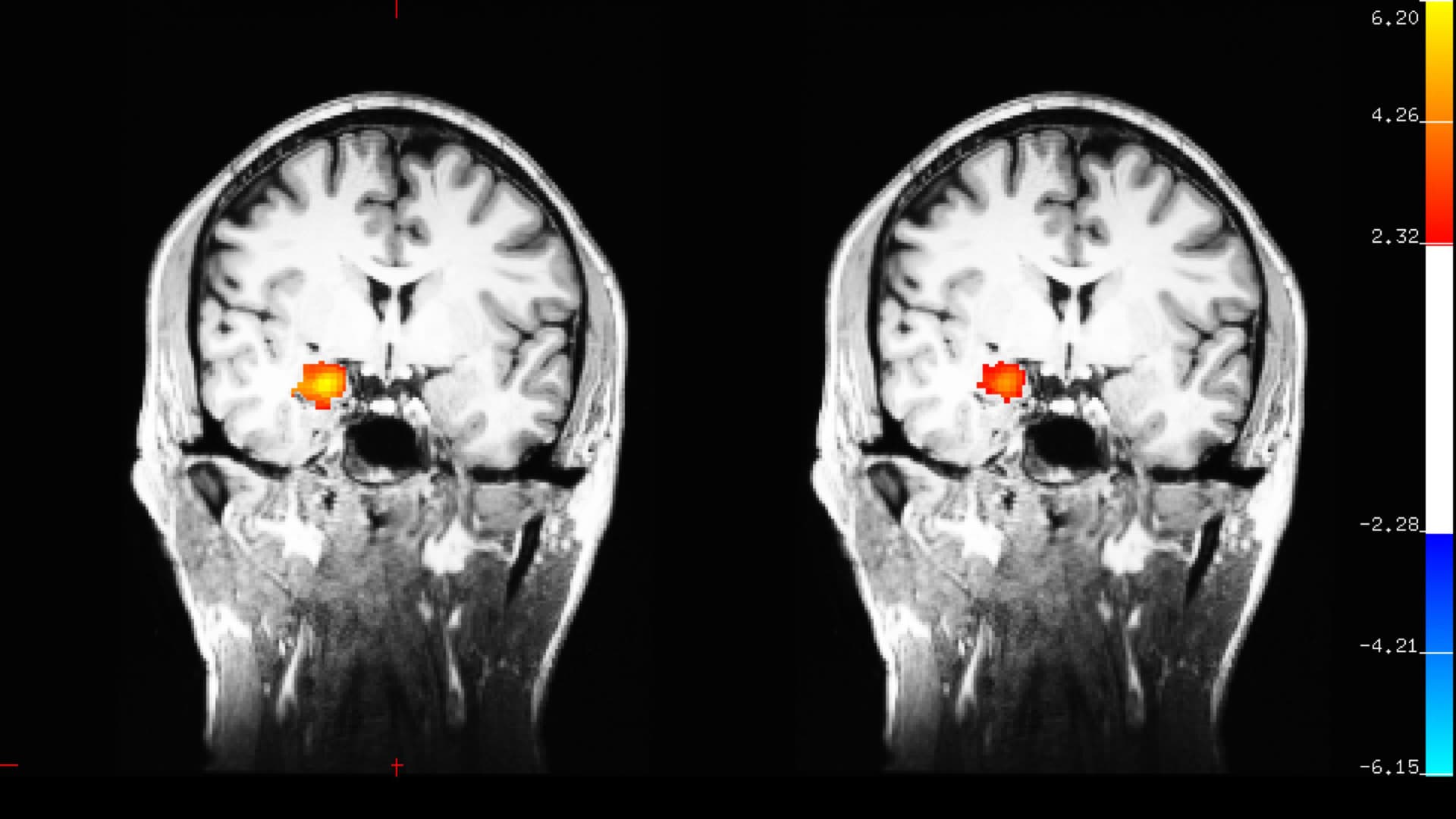
Benno Bremer and Qiong Wu's 2022 paper in Scientific Reports landed with quiet force across the neuroscience community: 31 days of mindfulness meditation training, in people who had never meditated before, produced measurable increases in functional connectivity across the brain's triple network. The networks in question, the default mode network (DMN), the salience network (SN), and the central executive network (CEN), govern everything from wandering thoughts and self-referential rumination to focused attention and emotional regulation.
The study enrolled 46 healthy, meditation-naïve adults split between a mindfulness meditation training group and an active control intervention. Both groups underwent resting-state fMRI scans before and after the 31-day period. Using independent component analysis, sliding time window, and seed-based correlation analyses, the research team detected increased functional connectivity between nodes of the default mode network and the salience network in the meditators. Seed-based analyses then revealed further connectivity increases between the salience network and the central executive network, completing what researchers call the triple network model.
Why that trifecta matters: disruptions to the triple network model have been associated with a broad range of neuropsychiatric disorders. The salience network functions as a neural gating mechanism, deciding what deserves attention and routing signals between the inward-facing default mode network and the outward-facing central executive network. When those handoffs break down, the downstream effects show up as runaway rumination, difficulty switching tasks, and compromised emotional regulation. The Bremer and Wu data suggest that a month of consistent practice begins strengthening those handoffs at the level of measurable brain connectivity.
Louisa Nicola, the clinical neurophysiologist who founded Neuro Athletics and hosts The Neuro Experience podcast, has drawn pointed attention to these results. A University of Sydney Medical School graduate who built her career optimizing brain and body performance in NBA and MLB athletes, Nicola reads the study through a practitioner's lens: if 46 meditation-naïve adults showed fMRI-confirmed network changes in 31 days, the implications for anyone willing to commit to the practice dose are concrete and immediate.
Nicola's own engagement with rapid neuroplasticity is personal. She was training to represent Australia in the triathlon at the Olympics when she was struck by a car and sustained serious injuries. Her recovery centered on brain training and neuroscience principles, which eventually became the foundation of Neuro Athletics. That background gives her reading of the Bremer and Wu findings a credibility that purely academic commentary often lacks.
Two decades of published research supports mindfulness meditation's effects on physical health, mental health, and cognitive performance. Prior work documents increases in cortical thickness, reduced amygdala reactivity, and improved neurotransmitter profiles. What Bremer and Wu add is specificity: not just that meditation reshapes the brain, but which networks shift, how those shifts were measured, and how quickly they emerge after practice begins.
The study was registered as a clinical trial under ISRCTN registry ID ISRCTN95197731. Open questions remain about optimal practice dose, whether changes persist beyond the training window, and how far the findings generalize beyond healthy, meditation-naïve adults to clinical populations. But for anyone who has questioned whether a single month of sitting produces anything more than a placebo effect, the fMRI scans now offer a specific, peer-reviewed counterargument.
This article was produced by Prism’s automated news system from verified source data, official records, and press releases, then run through automated quality and moderation checks before publishing. The system is built and supervised by the people who set the standards it runs under. Read our full AI policy.
Did this article answer your question?


