Mindfulness App Delivers Real-Time Smoking Cessation Support to Cancer Patients
A mindfulness-based app designed to reach cancer patients in real time during smoking urges was pilot-tested by Min-Jeong Yang's team.
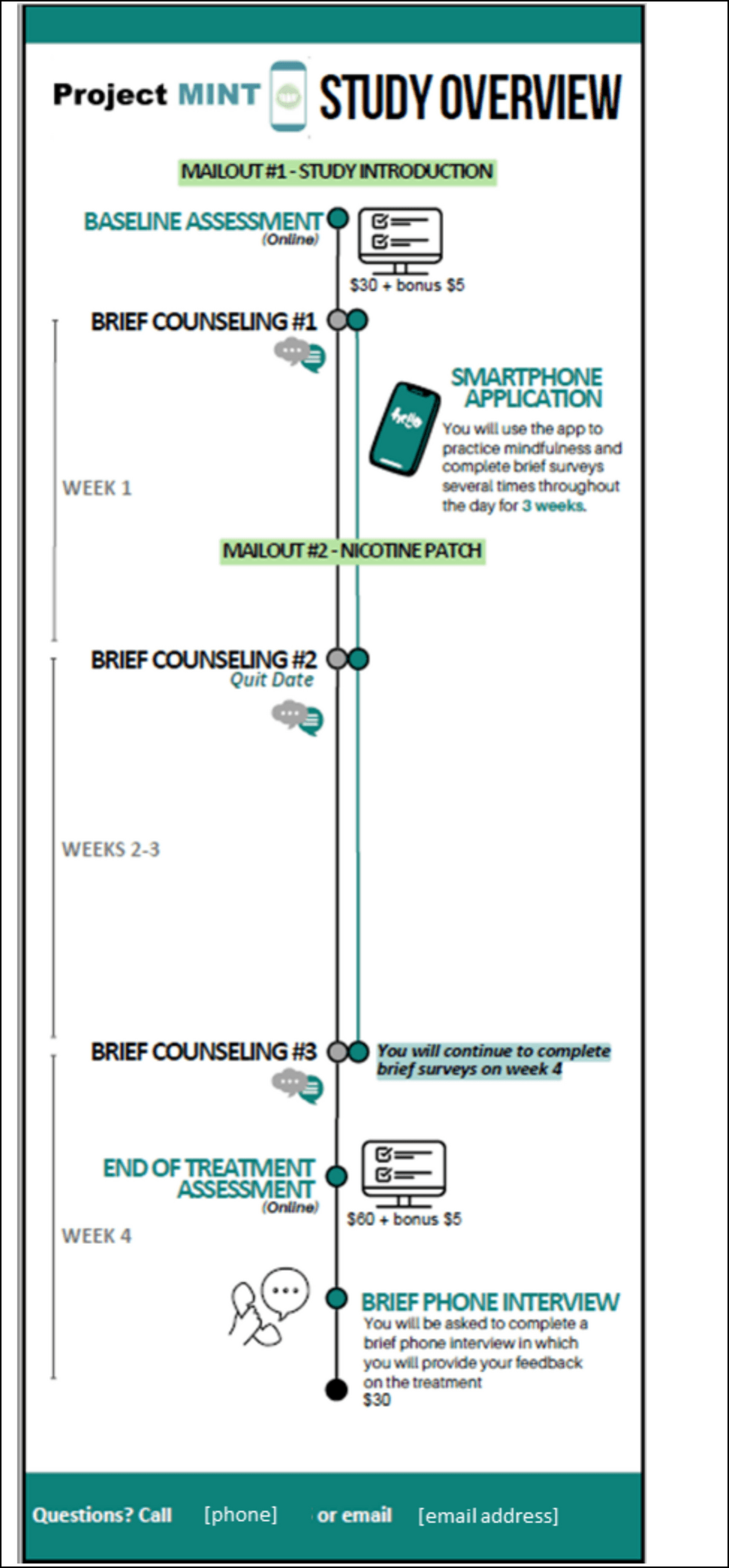
Quitting smoking after a cancer diagnosis is one of the harder behavioral challenges in oncology, and a research team led by Min-Jeong Yang set out to address it with something more immediate than a weekly support group or a pamphlet: a mindfulness-based ecological momentary intervention delivered through a mobile app.
The approach, published in the journal Mindfulness on March 9, 2026, centers on what researchers call an EMI, a technique that pushes real-time prompts and exercises to users in the moments when cravings actually strike. For people practicing mindfulness, the concept will feel familiar: rather than rehearsing coping skills in a clinical setting and hoping they transfer to daily life, an EMI meets the practitioner exactly where they are, in the middle of a craving, with a grounding or awareness exercise accessible on their phone.
What makes Yang's pilot study notable is the population it targets. Cancer patients who continue smoking face compounded health risks, and they also tend to face compounded psychological pressure: the diagnosis itself, treatment side effects, and the anxiety and grief that come with it. Standard cessation programs weren't designed with that context in mind. A mindfulness-based EMI, by contrast, draws on the same non-judgmental, present-moment awareness that many in this community already use to navigate difficult emotional terrain.
The pilot-test framing matters here. Yang and colleagues were not claiming a large-scale clinical victory; they were establishing feasibility and early signal. That kind of methodological honesty is worth noting, because the mindfulness-based intervention space has seen its share of overclaiming. A careful pilot, published in a peer-reviewed journal with a clear scope, is the right foundation for what would need to be a much larger trial to establish efficacy.

The intersection of ecological momentary intervention design and formal mindfulness practice is genuinely promising territory. EMI technology can detect or prompt at behaviorally relevant moments, and mindfulness techniques, particularly urge surfing and body-scan-style awareness exercises, are well-suited to brief, in-the-moment delivery. For a cancer patient sitting in a waiting room feeling the pull toward a cigarette, a 90-second guided awareness practice arriving on their phone is a very different intervention than anything that came before it.
The research from Yang's team represents an early but substantive step toward making that kind of support practical and scalable.
This article was produced by Prism’s automated news system from verified source data, official records, and press releases, then run through automated quality and moderation checks before publishing. The system is built and supervised by the people who set the standards it runs under. Read our full AI policy.
Did this article answer your question?