USC Experts Explore Psychedelic Therapy Grounded in Mindfulness and Non-Duality
Non-duality isn't just philosophical scaffolding in psychedelic therapy. USC's Rael Cahn and Michael Sapiro laid out the case that it's the safety layer itself.
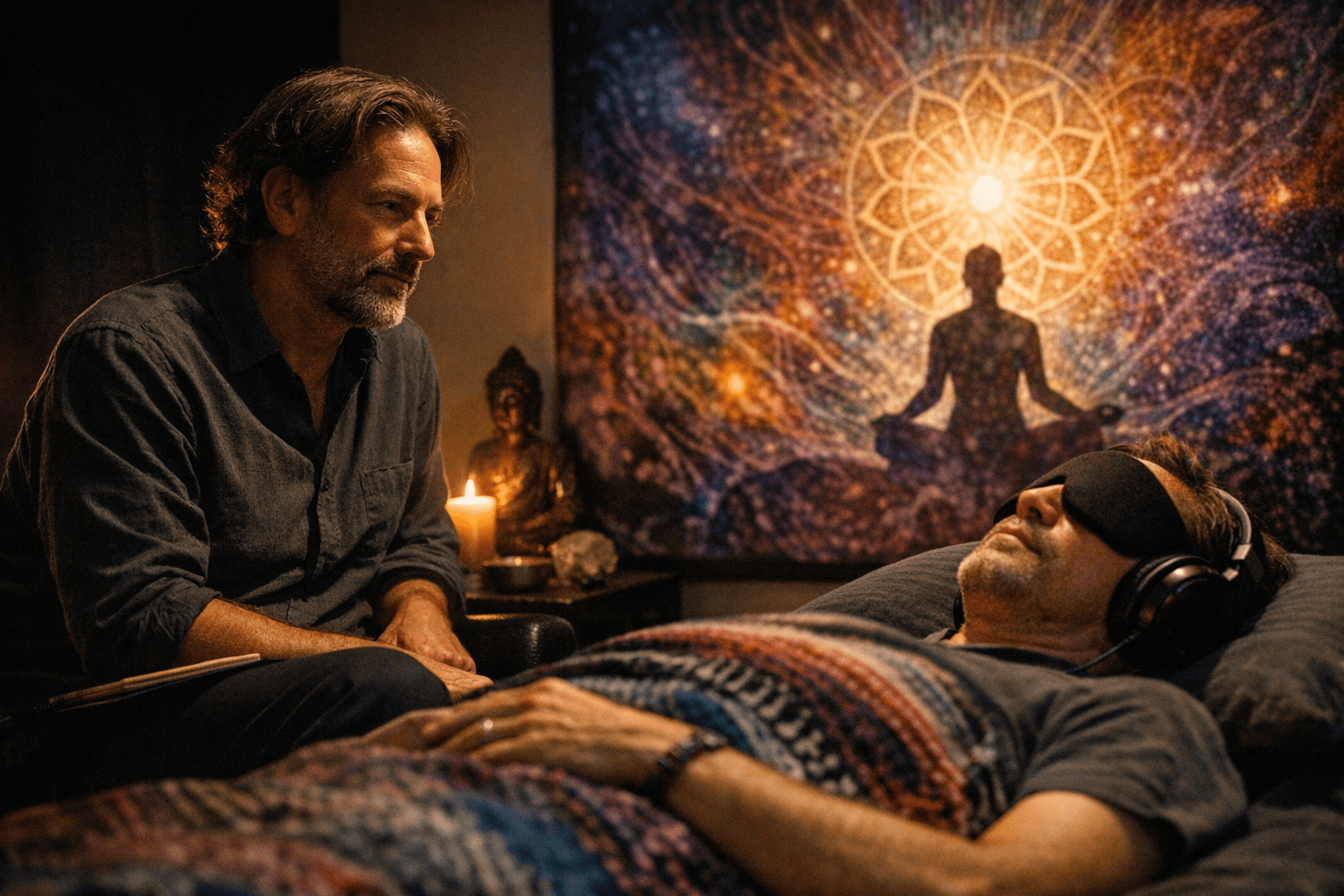
Twenty-five years of studying meditating brains led Dr. Rael Cahn to a counterintuitive position: the contemplative practices surrounding a psychedelic session, not just what happens during it, may be what determines whether the therapy holds. Cahn, director of the USC Center for Mindfulness Science and principal investigator of USC's Mindfulness-Assisted Psychedelic Therapy trial at the Brain and Creativity Institute, made that case alongside Dr. Michael Sapiro at a dialogue-format session on March 26 at the USC Leonard Davis School of Gerontology in Los Angeles.
The 90-minute program was framed around a single question: what does a non-dual, mindfulness-based framework actually contribute to psychedelic-assisted therapy? Sapiro, a clinical psychologist and ordained Zen Buddhist monk whose book "Truth Medicine: Healing and Living Authentically Through Psychedelic Psychotherapy" maps exactly this territory, brought the practitioner's view. Cahn brought the neuroscience, drawing on EEG and fMRI research into the neurophysiological mechanisms underlying meditative states. The combination gave the conversation an unusual texture, moving between brain-state data and the kind of frank discussion about navigating difficult experiences that rarely surfaces in clinical literature.
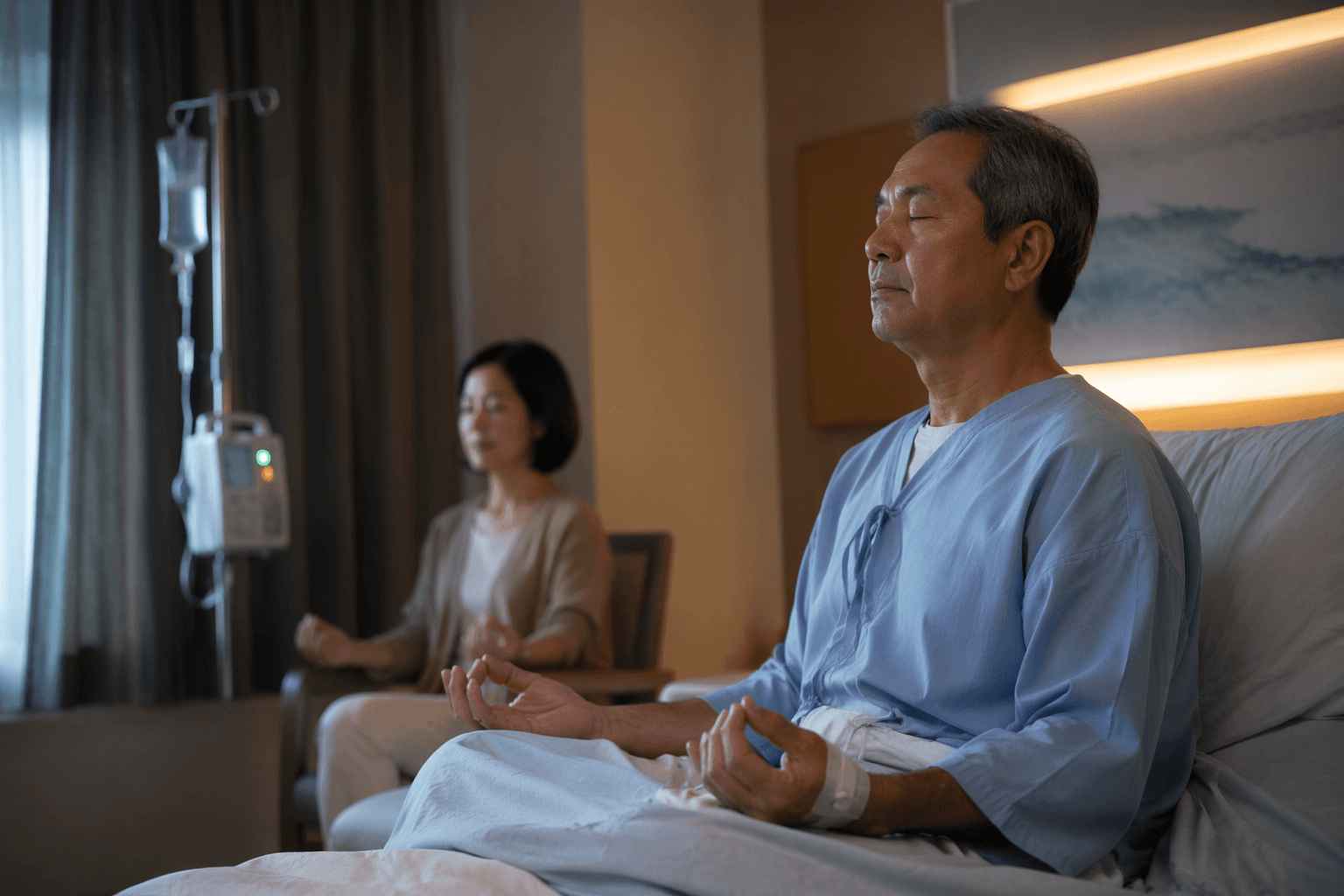
What emerged was a three-phase model meditators will recognize immediately. Preparation is where non-dual awareness does its heaviest lifting: setting intention without clinging to a particular outcome, building the capacity to witness rather than react, and developing the ability to hold discomfort without collapsing into it. Both speakers treated that overlap with sitting practice as deliberate architecture, not coincidence.
During a session, that foundation becomes a navigation tool. When difficult material arises, the trained capacity to observe an experience without fully identifying with it is what allows someone to move through the resistance rather than against it. Sapiro's clinical work spans both individual therapy and group ceremonial contexts, and his read of the challenge is consistent across both settings: the moments that feel most threatening are often where the most significant psychological movement occurs.
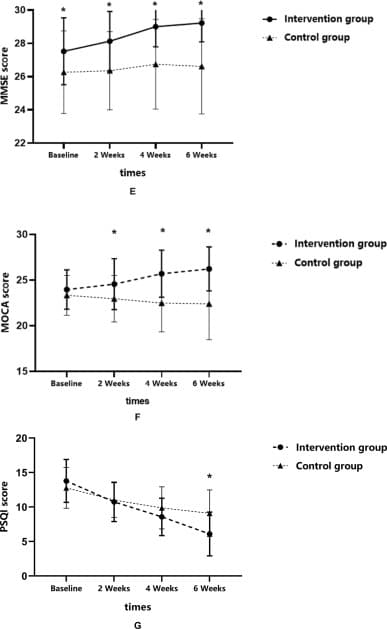
Integration is where many clinical models still fall short, and both speakers were direct about it. Post-session mindfulness practice is not adjunct care. In the framework Cahn and Sapiro described, it is the period when insight either gets metabolized into daily life or fades entirely. The USC trial Cahn leads is specifically designed to measure how structured mindfulness training before and after sessions influences both psychological and neurological outcomes, applying the kind of scientific rigor the field needs to move from anecdote to protocol.
None of this requires proximity to a clinical setting to be applicable. The skills that make sitting with a difficult emotion possible, returning to the breath or dropping into witness awareness rather than collapsing into the narrative around a sensation, are the same skills both speakers named as foundational protective factors in therapeutic contexts. That convergence was the real argument of the evening, and it came from 25 years of data backing it up.
This article was produced by Prism’s automated news system from verified source data, official records, and press releases, then run through automated quality and moderation checks before publishing. The system is built and supervised by the people who set the standards it runs under. Read our full AI policy.
Did this article answer your question?