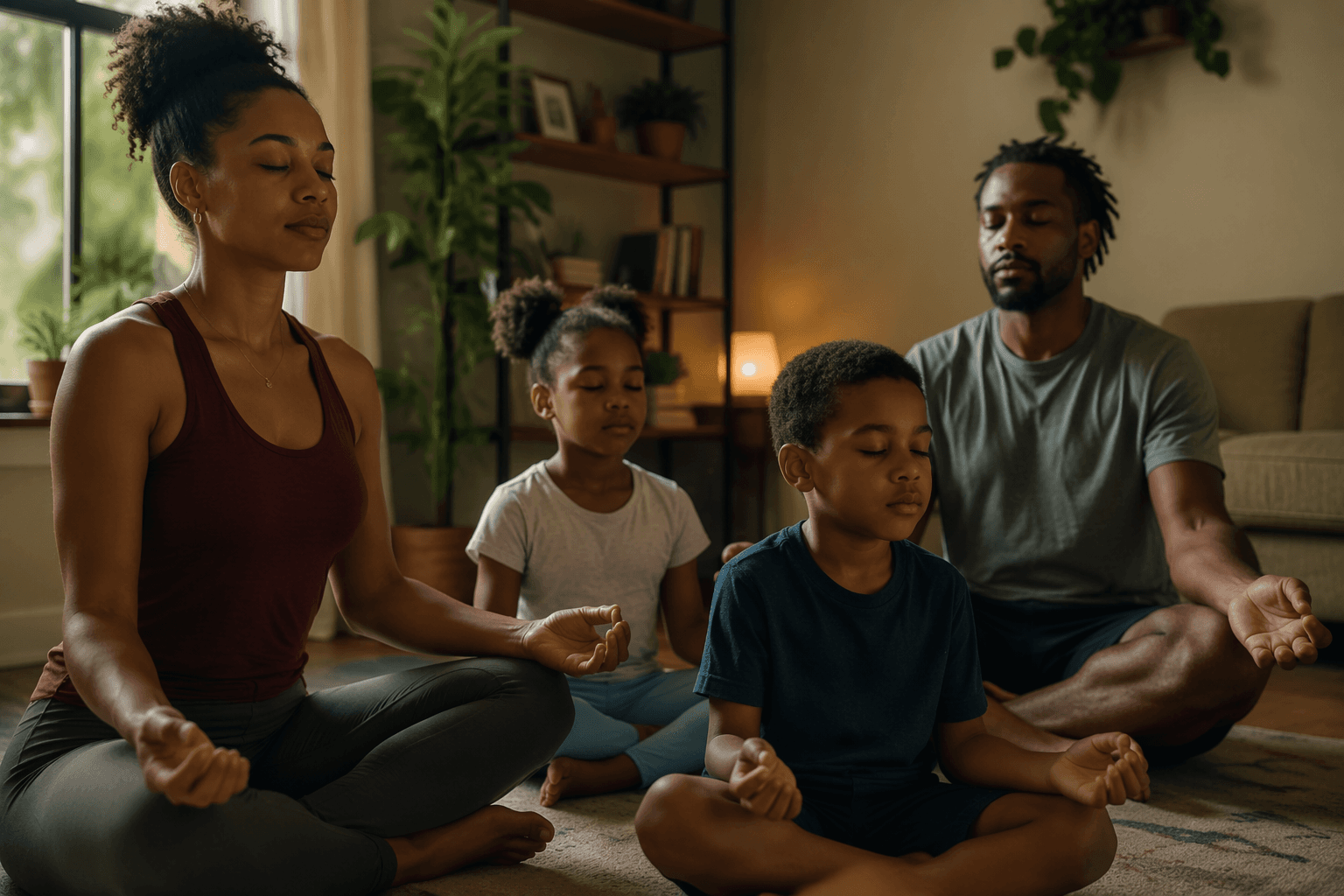
Why prayer may offer benefits mindfulness meditation cannot match
Prayer and mindfulness are not measuring the same thing. The evidence points to different mechanisms, different populations, and different outcomes, not a clean winner.

U.S. adult meditation use rose from 7.5% in 2002 to 17.3% in 2022, based on National Health Interview Survey data cited by the National Center for Complementary and Integrative Health. Mindfulness meditation is mainstream now, but the science behind it is still more modest than the marketing. Claims that prayer beats meditation outright usually compare different practices, different people, and different outcomes, from attention training and anxiety scores to brain activity and lived resilience.
What the meditation numbers actually say
National Health Interview Survey data show the broader NIH picture is just as striking: use of yoga, meditation, and massage therapy grew the most among complementary health approaches over that same period, and the share of adults using at least one of seven measured approaches climbed from 19.2% to 36.7%.
That growth does not mean the evidence is clean or universal. A 2014 systematic review and meta-analysis of 47 trials with 3,515 participants found moderate evidence that mindfulness meditation programs improved anxiety, while some reviews of mindfulness-based stress reduction also point to benefits for anxiety, depression, and pain scores.
The safety story is part of the story
Meditation is not automatically harmless because it is calm and quiet. NCCIH’s 2020 review looked at 83 studies with 6,703 participants and found 55 studies reported negative experiences, with about 8% of participants reporting adverse effects, most commonly anxiety or depression.
That does not mean mindfulness is unsafe for everyone, but dose matters, format matters, and the person matters. A downloadable app, a silent retreat, a group class, and a trauma-sensitive course are not interchangeable, and the outcomes in the literature are not interchangeable either.
Why prayer is not just “meditation with a religious label”
Prayer can overlap with mindfulness in the narrow sense that both can involve attention, silence, and repetition. But prayer usually also carries belief, relationship, surrender, community, and meaning, which makes it a different intervention from attention training alone. That difference matters when researchers try to compare the two as if they were competing versions of the same thing.
A 2020 EEG study looked at 33 healthy Catholic sisters recruited from a Midwestern Catholic Sisters community in Milwaukee, Wisconsin, and examined prayer-related brain activity over 18 minutes of recorded EEG data. The study asked whether prayer recruits neural patterns that look like, or differ from, meditation states.
A 2022 qualitative study of nine first-generation immigrant and refugee Muslim women in the United States took a different approach. It explored how prayer and mindfulness relate to mental health in real life, where faith, identity, stress, family, and displacement all sit in the same room.
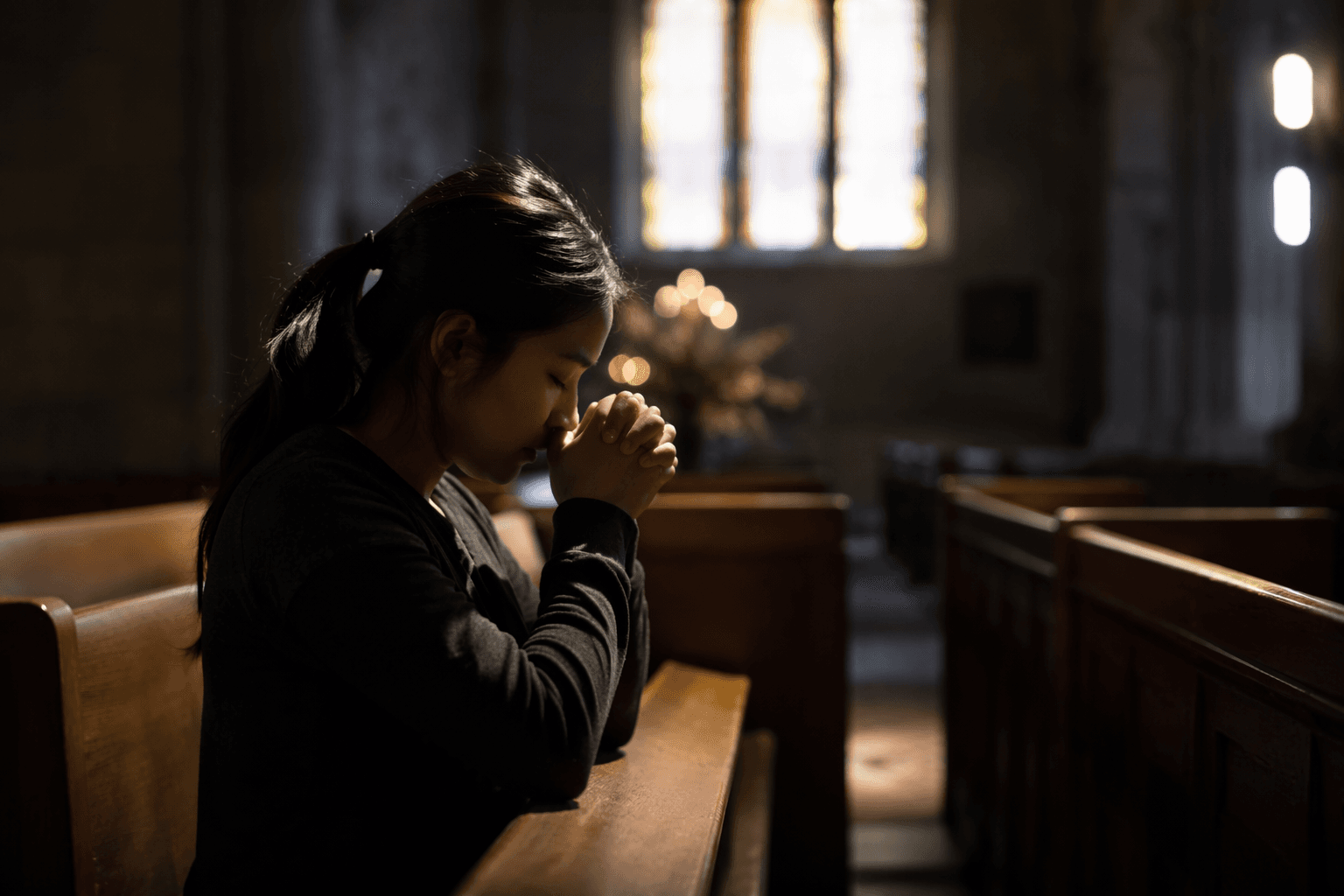
How to read the evidence without forcing a showdown
The cleanest way to think about this literature is to separate practice, population, and outcome. If a study is testing mindfulness meditation, it is often training attention and nonjudgmental awareness. If a study is testing prayer, it may be measuring spiritual coping, devotional repetition, communal identity, or surrender to God, none of which maps neatly onto a standard mindfulness protocol.
A better comparison asks three practical questions:
- What exactly is being practiced, silence, breath attention, petitionary prayer, devotional recitation, or communal worship?
- Who is practicing it, healthy volunteers, people with anxiety or depression, older adults, religious believers, or people in crisis?
- What outcome is being measured, stress, pain, depressive symptoms, anxiety, physiology, or lived resilience?
Once you ask those questions, the headline claim gets narrower. Meditation has evidence for some outcomes, especially anxiety, and some people do have negative reactions. For believers, prayer also involves relationship, identity, and meaning.
The practical takeaway if you already meditate or pray
If mindfulness helps you, keep using it for the job it is actually built to do: attention training, steadiness, and symptom relief where it fits. If prayer carries you, do not reduce it to a stress hack, because its benefits may come from faith, community, and the sense that your life is held by something larger than your own inner monitoring.
This article was produced by Prism’s automated news system from verified source data, official records, and press releases, then run through automated quality and moderation checks before publishing. The system is built and supervised by the people who set the standards it runs under. Read our full AI policy.
Did this article answer your question?