Zentangle Mindfulness Trial Shows Promise for Parents Battling Depression and Anxiety
A Hong Kong trial found parents rated a two-session Zentangle mindfulness program 7.71–8.64 out of 10, with over 90% staying enrolled through completion.
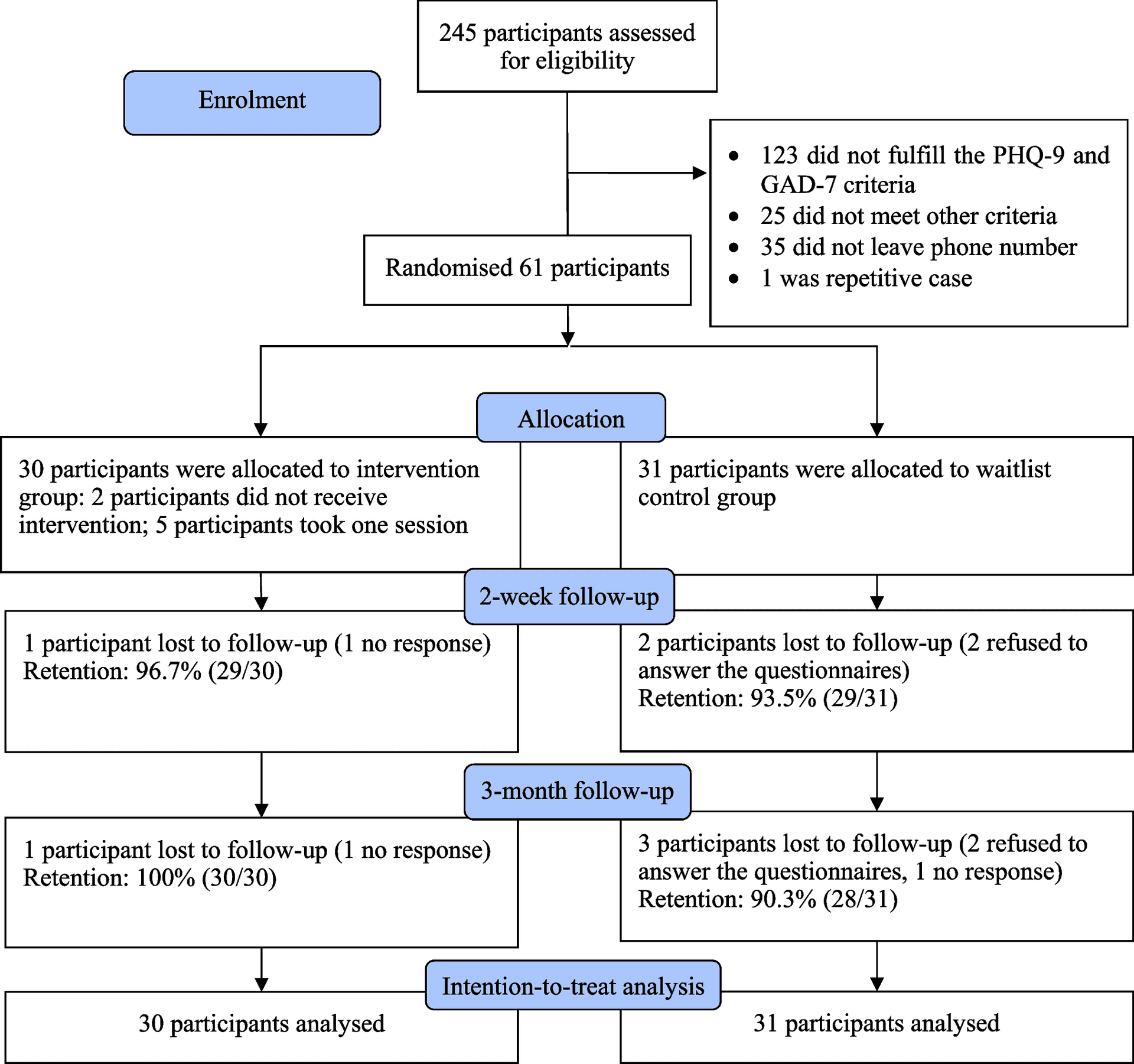
Parents in Hong Kong stuck with a two-session mindfulness-based Zentangle program at a rate exceeding 90%, according to a small randomized feasibility trial published March 6, 2026 in the journal Mindfulness. The research team, led by Yuying Sun, Yudian Xu, and Agnes Yuen Kwan Lai, set out to test whether the program was practical and acceptable before committing to a larger, more resource-intensive study.
The intervention ran just two weeks and was deliberately compact. The team's reasoning was direct: they assumed core Zentangle skills could be rapidly acquired, making a brief format practical for detecting feasibility signals before scaling up. Zentangle, a structured method of creating repetitive, patterned drawings, has drawn interest as a contemplative practice with natural overlap with mindfulness techniques like sustained attention and non-judgmental awareness.
The feasibility numbers told an encouraging story. Recruitment came in at 39.2% and consent at 63.5%, figures the authors considered acceptable for a community-based parent population. Session attendance reached 77.5%, and the retention rate cleared 90%. Acceptability scores ranged from 7.71 to 8.64 out of 10, reflecting strong participant buy-in for what was, by design, a stripped-down two-session format. Home practice was modest: participants completed a mean of 3.86 drawings over three months, with a standard deviation of 2.1, which tracks with the reality of parenting schedules and the program's brevity.
On the mental health side, the intervention group showed reductions in anxiety, depression, and stress compared to controls, but the team was careful not to oversell these results. The effect sizes were small: d = -0.38 for depression, d = -0.27 for anxiety, and d = -0.22 for stress, and none reached statistical significance. The authors described these as "exploratory signals only," consistent with what you'd expect from a two-session program not designed to produce definitive clinical outcomes. "As for a brief two-session intervention, outcome changes were not expected, and the observed changes were exploratory signals only," the team wrote.
That framing matters for anyone in the mindfulness community tracking the evidence base for art-integrated practices. A non-significant effect size in a feasibility trial isn't a failure; it's a green light to build something bigger and better powered. The authors are explicit on this point: a fully powered randomized controlled trial is needed before anyone can draw conclusions about whether mindfulness-based Zentangle actually moves the needle on parental depression and anxiety in a clinically meaningful way. They also noted that future trials should test optimized durations, balancing parents' real time constraints against the intensity needed to produce genuine therapeutic effects.
The study adds to a growing body of work on mindful parenting in mental health contexts, a field anchored in part by Bogels, Lehtonen, and Restifo's 2010 work on mindful parenting in mental health care. What Sun, Xu, Lai, and their colleagues have demonstrated is that the infrastructure for a proper trial is viable: parents will enroll, attend, and rate the experience highly. The harder question of whether two sessions of structured drawing and breath awareness can shift entrenched patterns of parental anxiety and depression now has a feasibility foundation to build from.
This article was produced by Prism’s automated news system from verified source data, official records, and press releases, then run through automated quality and moderation checks before publishing. The system is built and supervised by the people who set the standards it runs under. Read our full AI policy.
Did this article answer your question?