How to feed a sourdough starter for better rise and flavor
Feed by weight, on a steady schedule, and a sluggish starter can turn bubbly, tangier, and more predictable within a week.
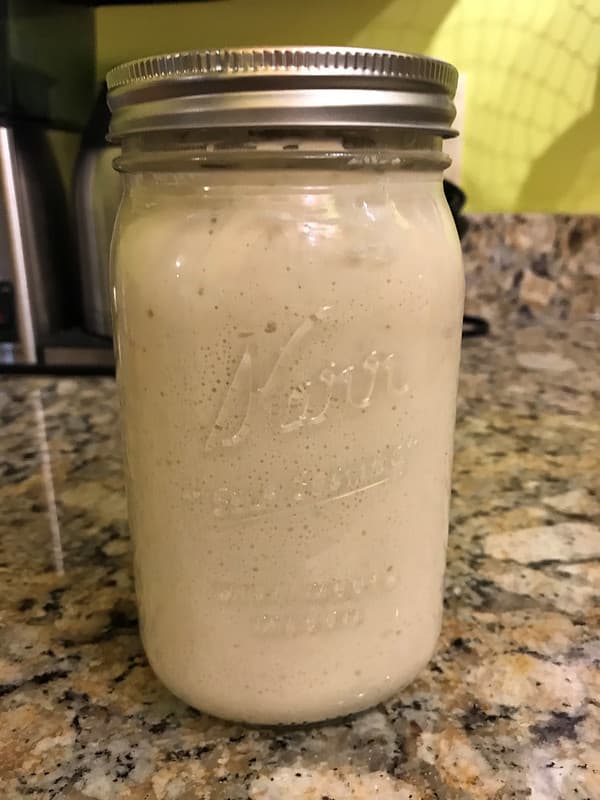
A sluggish sourdough starter on the counter is usually not broken. It is underfed, overfed, or fed in a way that does not match the kitchen it lives in, and that is why a jar can look stubborn even when you are doing everything "carefully." The fastest fix is not a fancier flour or a longer wishful wait. It is a cleaner feeding routine that gives the wild yeast and bacteria the food, water, and consistency they need to do their job.
Why feeding is the whole game
Colorado State University Extension treats sourdough starter as an ecosystem of microscopic yeast and bacteria, and regular feeding with fresh flour and water keeps that culture viable. Yeast and lactic acid bacteria colonize the starter, digest the flour carbohydrates, and keep the whole jar moving. The yeast produces carbon dioxide, which gives you lift, while the bacteria lower pH and build the sour flavor that makes the bread taste like sourdough instead of just fermented flour.
That is why the feed matters as much as the flour itself. A healthy starter should rise and fall consistently after feeding, smell pleasantly tangy, look bubbly, and feel batter-like instead of stiff and lifeless. When those signals are missing, the population is usually out of balance.
The feed that actually works
The simplest maintenance formula is the one University of Illinois Extension recommends: a minimum 1:1:1 feeding ratio by weight, equal parts starter, flour, and water. If you keep 20 grams of starter, feed it with 20 grams of flour and 20 grams of water. If you want a larger build, scale it up the same way. Weight matters here because a cup is not a cup once flour starts packing down or water temperature changes the feel of the mix.
King Arthur Baking recommends a practical split for home bakers: daily feeding at room temperature and weekly feeding in the refrigerator. The warmer your kitchen is, the faster the starter rises and the sooner it needs more food, which is why a jar that behaves in a cool spring kitchen can suddenly act hungry in midsummer.
Water matters more than many beginners expect. Heavy chlorine or very hard water can interfere with fermentation, so filtered water or spring water can help if your tap water is aggressive. That is a small change, but it can be the difference between a starter that perks up in hours and one that drags its feet for days.
Three mistakes that flatten a starter
1. Eyeballing the feed instead of weighing it
The most common beginner mistake is guessing. A spoonful of flour and a splash of water may feel close enough, but sourdough does not reward close enough for long. Once the starter gets too wet, too thick, or fed in lopsided proportions, it can stop rising cleanly and start smelling dull instead of tangy.
The fix is boring, and that is exactly why it works: use a scale and stick to the same ratio every time. A 1:1:1 feed by weight gives you a repeatable baseline, which means you can compare today’s jar with yesterday’s jar instead of wondering whether the problem was the feeding or the measurement.
2. Feeding on an inconsistent schedule
Another easy way to weaken a starter is to feed it whenever you remember. Wild yeast and lactic acid bacteria can handle a lot, but they do best when they are not constantly being jerked around by random intervals. If the starter is left too long without food, it gets sluggish. If it is fed again before it has had time to peak, it can look active for a day and then stall.

The fix is to match the schedule to the storage spot. Room-temperature starters usually need daily feeding. Refrigerated starters can go longer between feedings because the cold slows down the fermentation. Once you pick a rhythm, keep it steady long enough to see a pattern in the rise, smell, and fall.
3. Treating discard and water like afterthoughts
The third mistake is the one that confuses people the fastest: skipping the regular removal of some starter, or using water that works against the culture. Removing some starter during feeding is an important step because it helps keep the volume and nourishment in balance. Without that reset, the jar can become too crowded and the starter can start acting tired.
The fix is simple. Remove what you do not need, feed the remainder with fresh flour and water, and keep the water quality clean if your tap supply is heavy with chlorine or very hard.
How to read the jar instead of guessing
A starter that is on track gives you the same clues every time: bubbles on the surface and through the mix, a tangy smell, and a visible rise after feeding. A batter-like consistency and expansion in volume are also good signs. When a starter is struggling, those clues change fast. The odor gets dull, the rise takes too long, and the jar stops looking alive in any obvious way.
A better-fed starter becomes easier to predict, which means you stop wondering whether today is the day it will double and start knowing when it usually peaks. That makes baking simpler because the starter is ready when the dough is ready, not hours later after you have already built the rest of your schedule around it.
Why better feeding improves flavor, not just lift
A 2022 review in *Frontiers in Microbiology* found that temperature, pH, fermentation time, and the mix of lactic acid bacteria and yeasts can all change the bread’s nutritional and sensory properties. The same review also linked sourdough bread in human studies with higher satiety and lower glycemic responses, which is one reason some bakers notice sourdough feels different to eat, not just different to bake.
A well-fed starter tends to produce cleaner, more complex flavor. The bacteria are doing more than making things sour. They are helping shape the dough environment in a way that supports better texture, stronger flavor, and the kind of keeping quality that faster-fermented bread often lacks.
A tradition older than the hype
Sourdough is much older than the current home-baking wave. The method traces back to ancient Egypt and the Fertile Crescent, long before commercial yeast became standard in the 19th and early 20th centuries. In the United States, Boudin Bakery has baked since 1849 and still leans on its San Francisco Gold Rush roots.
This article was produced by Prism’s automated news system from verified source data, official records, and press releases, then run through automated quality and moderation checks before publishing. The system is built and supervised by the people who set the standards it runs under. Read our full AI policy.
Know something we missed? Have a correction or additional information?
Submit a Tip