Humane World scorecard finds widening gap in foodservice protein sustainability efforts
Humane World for Animals says most big foodservice operators still lag on protein sustainability, even as the top seven could cut more than 1 million metric tons of emissions a year.
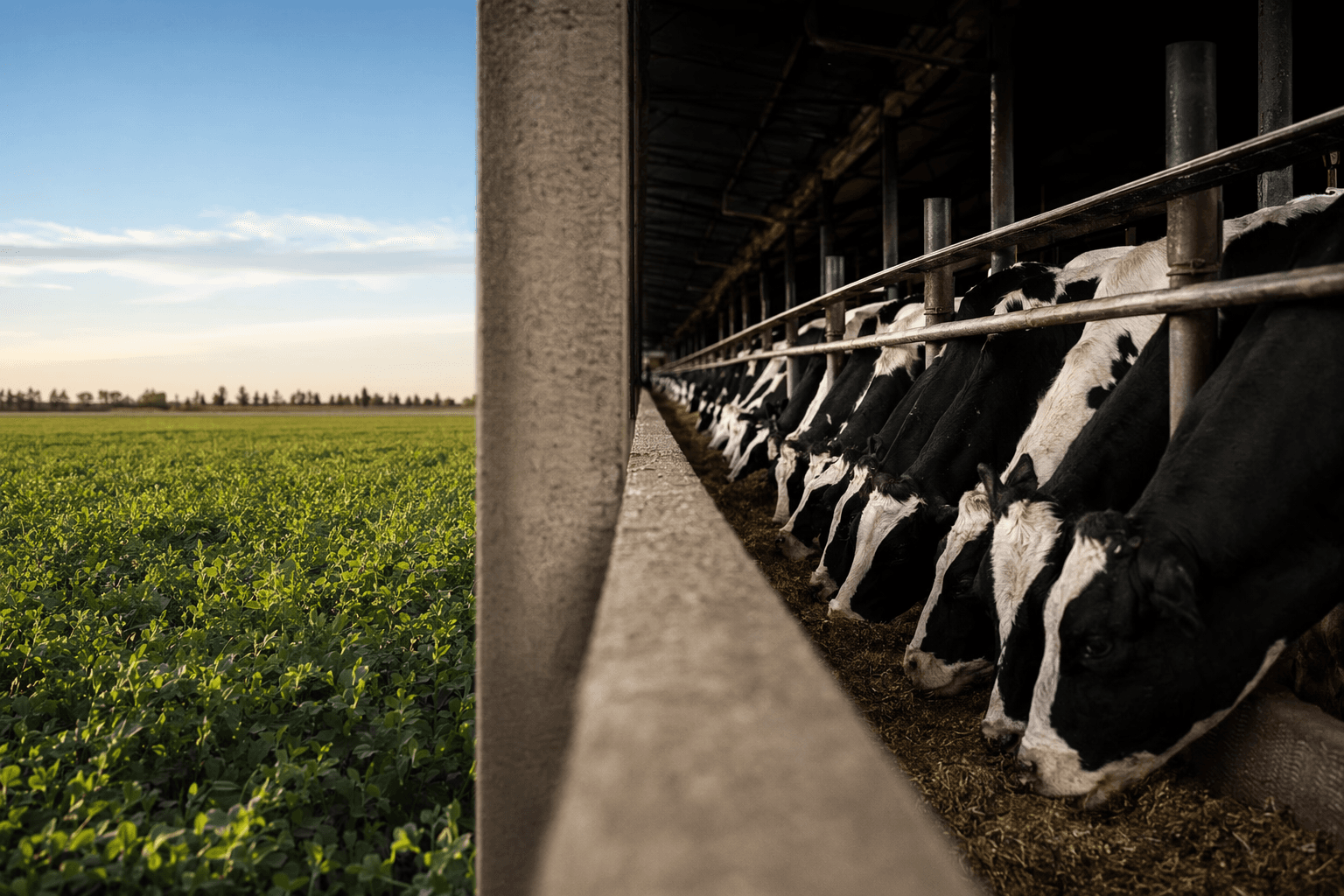
Humane World for Animals says the biggest foodservice operators are still talking faster than they are changing what lands on the tray. Its 2026 Protein Sustainability Scorecard, the fifth straight annual edition, found a widening split between companies that have turned plant-forward promises into purchasing changes and those still stuck in ESG language.
Released on April 23, 2026, the scorecard grades major U.S. foodservice management companies on three things: plant-forward initiatives, reductions in animal-protein purchasing, and broader protein sustainability commitments. That matters because these companies collectively serve millions of meals every day in K-12 schools, colleges and universities, hospitals, corporate campuses and public institutions, including the University of California system, the National Park Service, Google and Microsoft.

The headline is not subtle. Humane World for Animals says the top seven highest-scoring companies, Guckenheimer, Elior North America, Metz Culinary Management, HHS LLC., Sodexo, Fresh Ideas Food Service Management and Aramark, could collectively cut greenhouse gas emissions by more than an estimated 1 million metric tons a year. The group compares that to taking 240,000 gas-powered cars off the road for a year. At the other end, OVG Hospitality was singled out as a laggard, and a separate industry write-up based on the scorecard said 22 companies received an F, including HMSHost, OVG Hospitality, Healthcare Services Group and Guest Services.
The benchmark is built around a blunt argument: protein is no longer just a nutrition discussion, it is a procurement and climate issue. Humane World for Animals says food production accounts for an estimated 20% to 37% of global greenhouse gas emissions, with animal-based foods carrying a disproportionate share. In that frame, menu shifts toward plant-forward options are not a branding exercise, they are one of the fastest ways to move emissions.
The data show how uneven that shift remains. The 2026 report says only 38% of companies in the scorecard have commitments to serve more plant-based foods, and just 16% have committed to reduce animal-product purchases. That is a hard number, not a vibe, and it suggests the bottleneck is execution more than awareness.
Kate Watts, Humane World for Animals’ director of food service innovation, called the scorecard a “critical resource” that gives consumers and institutions a data-driven look at which companies are helping drive a more sustainable and humane food system. Karla Dumas, the group’s vice president of farm animal protection in the U.S., said shifting menus toward plant-based foods is one of the fastest, most cost-effective ways to cut emissions.
The trend line cuts both ways. In 2025, six companies earned an A+ or an A. In 2024, the organization said companies were asked to share menu and purchasing data to verify claims and help expose greenwashing by comparing transparency, goals and action. Humane World for Animals also says it offers free culinary trainings, recipe ideation, menu development and climate-impact assessments, a clear sign that the fight has moved from pledges to proof.
This article was produced by Prism’s automated news system from verified source data, official records, and press releases, then run through automated quality and moderation checks before publishing. The system is built and supervised by the people who set the standards it runs under. Read our full AI policy.
Did this article answer your question?