Plant-based dairy outperforms meat as alternative proteins diverge
Plant-based dairy is winning on familiarity, with milk, creamer and yogurt fitting daily routines far better than meat analogues still stuck on taste and price.

Plant-based dairy is pulling ahead because it asks less of shoppers. Milk, yogurt, cheese and creamer already have a place in breakfast, coffee and cooking, and that simple fit is giving the category an edge that plant-based meat has not been able to match.
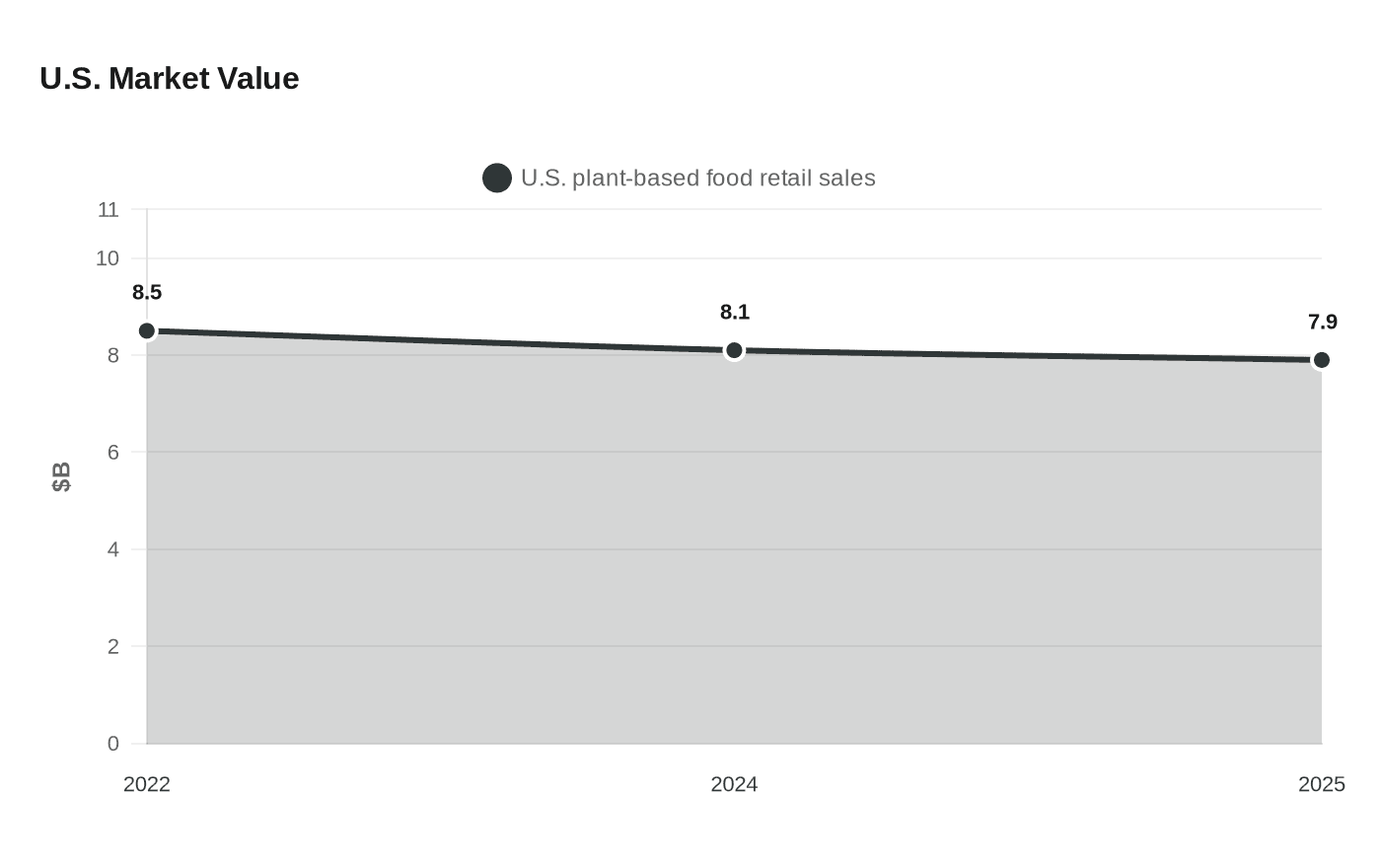
The Good Food Institute said global retail sales of plant-based meat, seafood, milk, yogurt, ice cream and cheese rose 5% in 2024 to $28.6 billion. But the growth was uneven. U.S. plant-based food retail sales totaled $8.1 billion in 2024, down from $8.5 billion in 2022, and the 2025 U.S. market was valued at $7.9 billion. The category is not collapsing, but the winners are increasingly the products that slot cleanly into habits consumers already have.
That is where plant-based dairy has done the best work. The Good Food Institute said plant-based creamer is the third-largest plant-based category after milk and meat and seafood, and it reached a 31% share of the total creamer market in foodservice broadline distributor sales in 2024. Plant-based milk also grew 9% in broadline distributor dollar sales that year, while creamer grew 5%. Those are not novelty numbers. They point to products that have become routine orders and repeat purchases.
Household penetration tells the same story. GFI-linked reporting puts plant-based milk at about 40% of U.S. households, compared with 13% for plant-based meat. Statista, citing GFI consumer research, said 4 in 10 U.S. households bought plant-based milk in 2024, versus 13% that bought plant-based meat and seafood. GFI said plant-based milk reached 42% household penetration in 2021, and 76% of buyers repurchased multiple times, showing how deeply the habit had already settled in.
Within dairy alternatives, the products that improve function keep gaining ground. A Dairy Processing report said plant-based cheese household penetration fell from 7% in 2023 to 4% in 2024, but repeat rate improved from 48% to 54%, helped by better melt performance. Plant-based yogurt showed a similar pattern, with repeat rates rising from 54% to 58% in 2024 as protein content became a more visible consumer need. Even with modest penetration, better formulation is translating into better loyalty.
Plant-based meat faces a harder test. GFI says these products often cost two to three times more than conventional counterparts, and taste and price remain the biggest barriers to repeat purchase. That is the central divide in alternative proteins now: dairy alternatives can win by being convenient and familiar, while meat analogues are still being judged on whether they justify a premium and deliver a convincing eating experience. The lesson for brands is blunt. In this market, the products that fit existing behavior are the ones that keep moving.
This article was produced by Prism’s automated news system from verified source data, official records, and press releases, then run through automated quality and moderation checks before publishing. The system is built and supervised by the people who set the standards it runs under. Read our full AI policy.
Did this article answer your question?