Tirlán says dairy proteins still win on taste, nutrition and cost
Tirlán’s bet is blunt: in drinks and snacks, dairy proteins still deliver the best mix of taste, function and cost. GLP-1-driven demand is only making that case sharper.
The simple case Tirlán keeps making
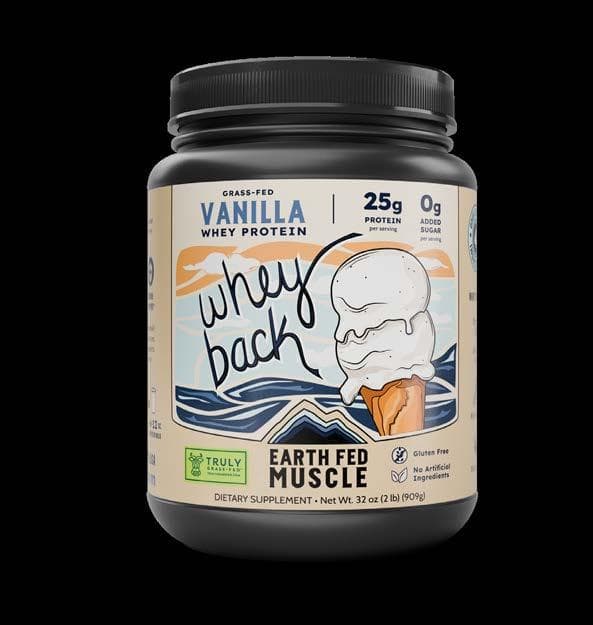
Tirlán’s argument is refreshingly unsentimental: if you want a protein ingredient that actually works in everyday foods, tastes right, and does not blow up the bill of materials, dairy still has the edge. Keith Cooney, Tirlán’s marketing manager, framed the company’s pitch around the place where product developers live or die, which is not the lab but the finished food. In ready-to-drink beverages and snacks, dairy proteins remain relevant because they combine functionality, nutrition and affordability in one ingredient system.

That matters because protein is no longer the novelty. High-protein is now the baseline expectation in a lot of mainstream launches, so the fight has shifted from simply adding protein to making the whole product better. Tirlán’s view is that dairy wins when formulators need a texture that holds up, a flavor that does not need rescuing, and a cost structure that still leaves room for margin.

Where the dairy advantage is strongest
The strongest case for dairy proteins is in categories where consumers notice both performance and repeat purchase. Drinks and snacks are the obvious battlegrounds because they demand a lot from the ingredient stack: solubility, stability, mouthfeel, satiety, and a price point that works at scale. That is where Tirlán says dairy proteins still beat many plant and fermentation alternatives, not because they are fashionable, but because they are easier to build into a product people will keep buying.
The company’s earlier formulation work points to the same conclusion. Tirlán has said its SolagoHD milk protein concentrates are built for high-protein yogurts, with superior texture, low syneresis and clean dairy flavor across 10%, 12.5% and 18% protein formats. That is the sort of detail that matters in the real world: less whey-off in the cup, better spoon feel, and a flavor profile that does not need masking.
Tirlán’s ingredients portfolio also shows how it is thinking about use cases rather than raw protein percentages. SolagoHD milk protein concentrates, Promiko whey protein isolate and acid casein are being positioned for yogurts, bars, beverages and liquid coffee creamers. Those are exactly the products where a good protein can save a formulation, and a bad one can sink it.
GLP-1 has changed the brief, not just the buzz
A big part of the current protein wave is being driven by GLP-1 therapies, and Tirlán is reading that shift as a product-development opportunity rather than a marketing fad. Users and non-users alike are looking harder at nutrient-dense foods that help them manage intake, maintain lean mass and feel satisfied. That is why smaller, more concentrated formats are suddenly getting so much attention.
The clinical backdrop helps explain why. A 2025 cross-society advisory from the American College of Lifestyle Medicine, the American Society for Nutrition, the Obesity Medicine Association and The Obesity Society warned that GLP-1 therapies can bring gastrointestinal side effects, nutrient inadequacies, and muscle and bone loss. The same advisory emphasized adequate protein intake and strength training to preserve lean mass.
That advice lines up with a separate clinical review cited in the same research stream, which found average placebo-adjusted weight reductions of 5% to 18% in GLP-1 trials. Another review said 25% to 40% of weight lost on GLP-1 receptor agonists may come from muscle tissue. That is exactly why protein-rich foods are moving from a fitness niche into routine eating: people are not just chasing grams of protein, they are trying to protect what the weight loss might take away.
At Vitafoods Europe 2026 in Barcelona, the wider ingredient market was telling the same story. Companies were pushing nutraceutical-grade ingredients into mainstream food and beverage, with protein, fiber, probiotics and related actives showing up in bars, drinks, dairy and plant-based products for gut health, metabolic balance, muscle recovery and cognitive wellness. Arla Foods Ingredients was especially direct, saying GLP-1 users are driving demand for smaller, nutrient-dense formats packed with high protein, vitamins, prebiotics, probiotics and fiber.
Taste is still the final gatekeeper
For all the talk about nutrition, taste remains the hard stop. Tirlán’s point here is one every formulators eventually learn the expensive way: if the product does not taste good, consumers will not keep eating it. Protein credentials can get you a trial, but flavor and texture decide whether the product survives past the first carton or the first bar.
That is why the company keeps circling back to everyday foods rather than prestige nutrition claims. In drinks and snacks, dairy proteins have a built-in sensory advantage because they are familiar, creamy and easier to integrate without the chalkiness or instability that can show up in weaker systems. The competitive frontier is no longer just about protein content. It is about balancing nutrition, economics and eating quality in the same SKU.
Why Tirlán is investing now
Tirlán’s broader business moves make the strategy look less like a talking point and more like a capex-backed bet. The company, which adopted the Tirlán name in 2022 after being known as Glanbia Co-op and Glanbia Ireland, says the name combines the Irish words for land, tír, and full, lán, meaning “Land of Abundance.” That rebrand followed farmer shareholder approval and came after the December 2021 decision to buy out Glanbia plc’s remaining 40% stake in Glanbia Ireland.
The numbers show why it has room to push. Tirlán said 2025 revenue rose 10% to €2.94 billion, while dairy ingredient sales reached 415,000 tonnes and category revenue increased 13% year on year. That is a serious base for a company leaning deeper into higher-value ingredients rather than commodity volume alone.
The biggest signal is the €126 million whey processing facility at Ballyragget in Kilkenny. Tirlán has described it as its largest value-add investment to date, and it is aimed at advanced nutritional whey products, including clear whey protein isolate. The plant is expected to be operational by mid-2027, which tells you where the company sees the next phase of demand: not generic protein, but refined ingredients that solve for taste, convenience and cost at the same time.
The practical takeaway for formulators
Tirlán’s message is not that dairy proteins win every battle. It is that they still win the ones that matter most in everyday eating, especially when the brief includes repeat purchase, clean flavor, stable texture and a price that can survive scale-up. In high-protein yogurts, RTD beverages, bars and coffee creamers, dairy has a real edge because it does more than supply amino acids.
The market is clearly moving toward smaller, denser, more functional products, and GLP-1-driven eating habits are accelerating that shift. But the ingredients that last will be the ones that make the finished food better, not just more compliant on a nutrition panel. That is where Tirlán is planting its flag, and it is a hard argument to dismiss when the product has to taste good, perform cleanly and still make economic sense.
This article was produced by Prism’s automated news system from verified source data, official records, and press releases, then run through automated quality and moderation checks before publishing. The system is built and supervised by the people who set the standards it runs under. Read our full AI policy.
Know something we missed? Have a correction or additional information?
Submit a Tip